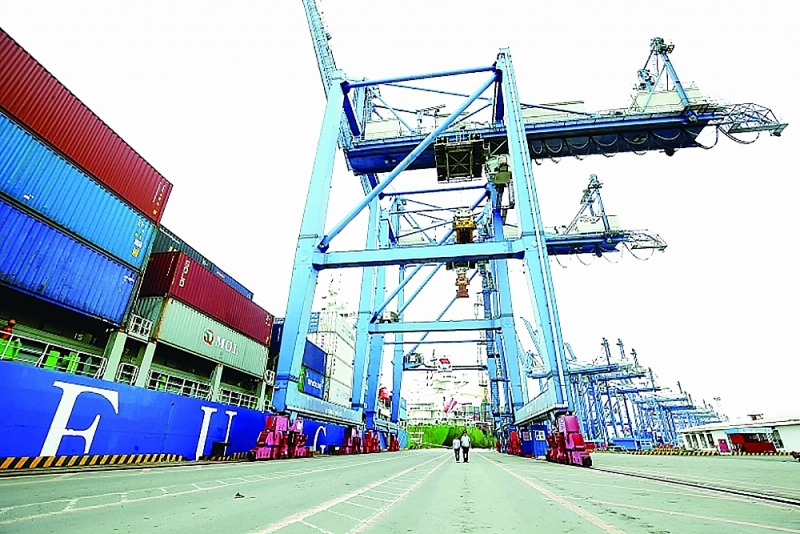
Vietnam has experienced 10 years of rapid commodity export growth, achieving impressive results. However, the implementation of the Commodity Import-Export Strategy for the 2011-2020 period still has many limitations that need to be seriously considered in order to learn from experience and develop a strategy for the next period.
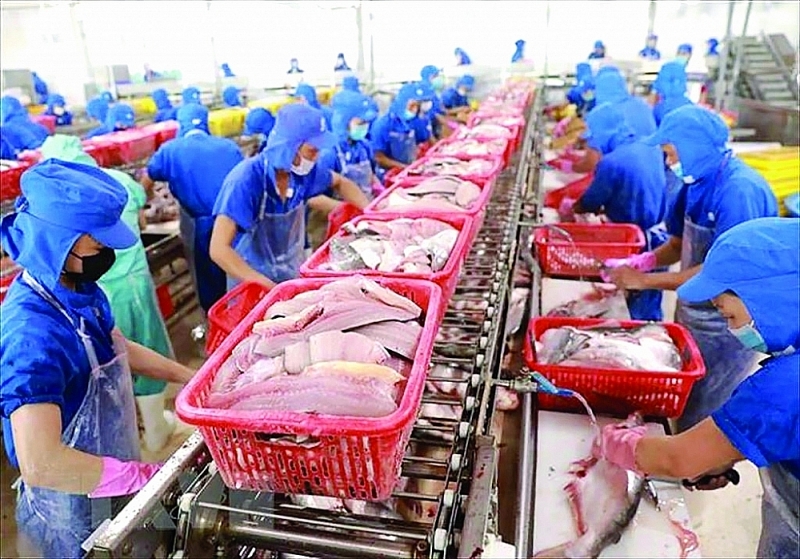
After a few months of deep decline, Vietnam's seafood exports began to recover with the positive impact of supportive policies; thus businesses expect to increase exports of key products.
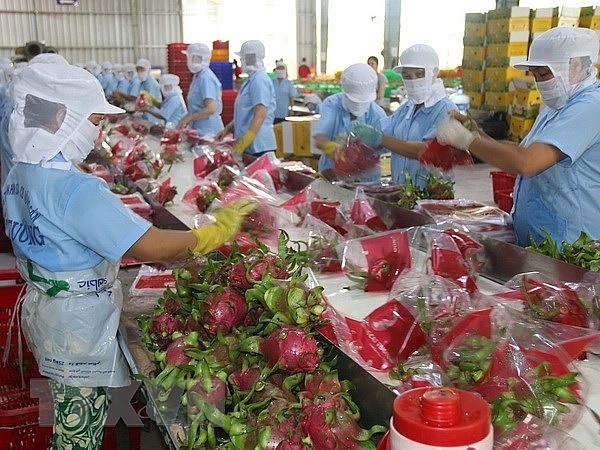
A focus on ensuring food safety; further promoting products through large, prestigious fruit and vegetable fairs or finding ways to reduce logistics costs are a series of solutions given by ambassadors and businesses to be able to export vegetables to the EU market.
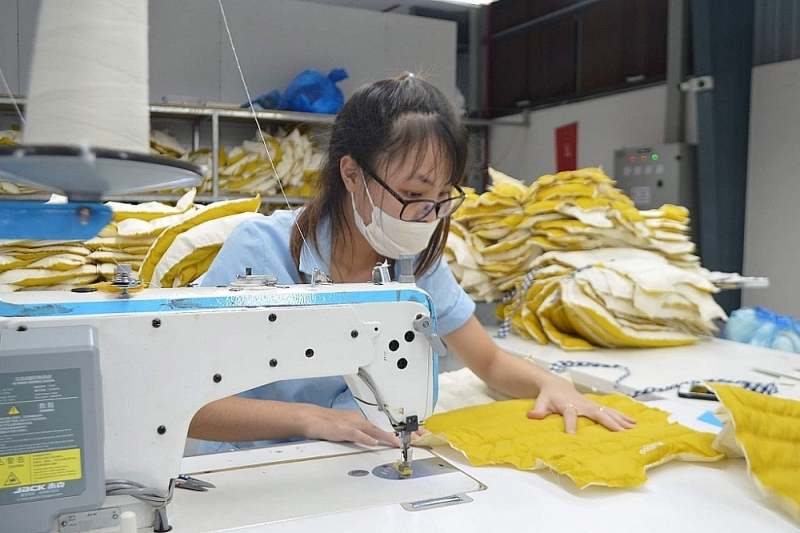
The slow improvement of competitiveness has made the contribution of the private sector not correspond to the quantity, scale and this does not reflect its true potential. In addition, there are still mechanisms and policies that prevent businesses and business households from expanding operation.

Assoc. Prof. Dr. Pham Tat Thang, Senior Researcher of the Institute for Strategy and Policy Studies (Ministry of Industry and Trade), said that it is necessary to focus on measures and how to organize and implement the Strategy so that it can achieve the highest efficiency.
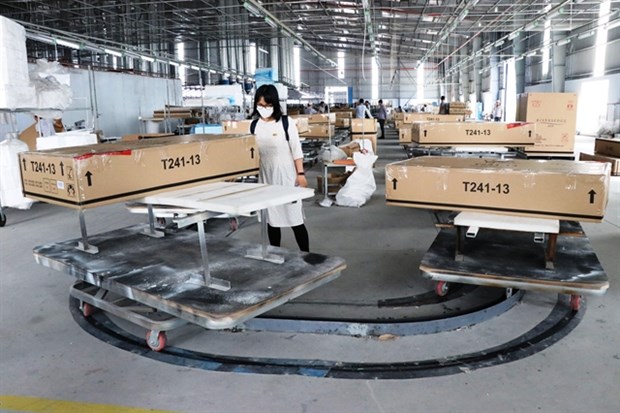
Vietnam’s economy has recently received many optimistic signals from the business community, which are fuelling expectations of a stable and rapid recovery after a long disruption due to the COVID-19 pandemic.
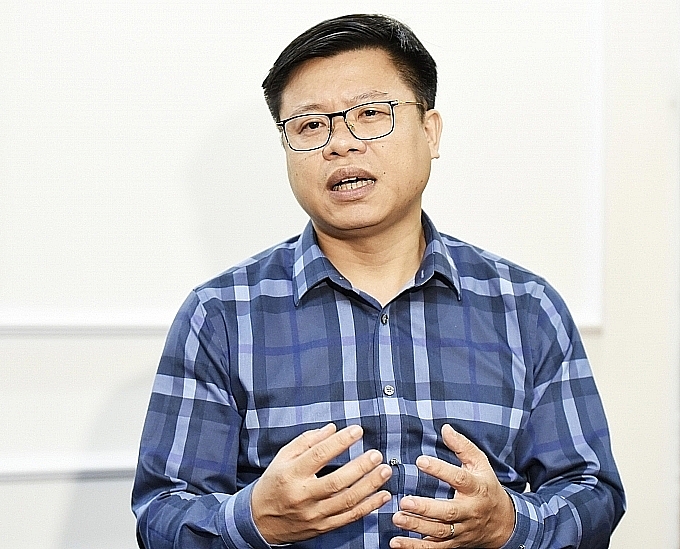
The Resolution of the 13th Party Congress determined that the development of the agricultural sector should change from thinking about agricultural production to thinking about the agricultural economy. Mr. Nguyen Quoc Toan, Director of the Department of Agricultural Product Processing and Market Development (MARD), said this means that the agricultural industry will develop and shift to a state of focus on added value, taking value as a measure.
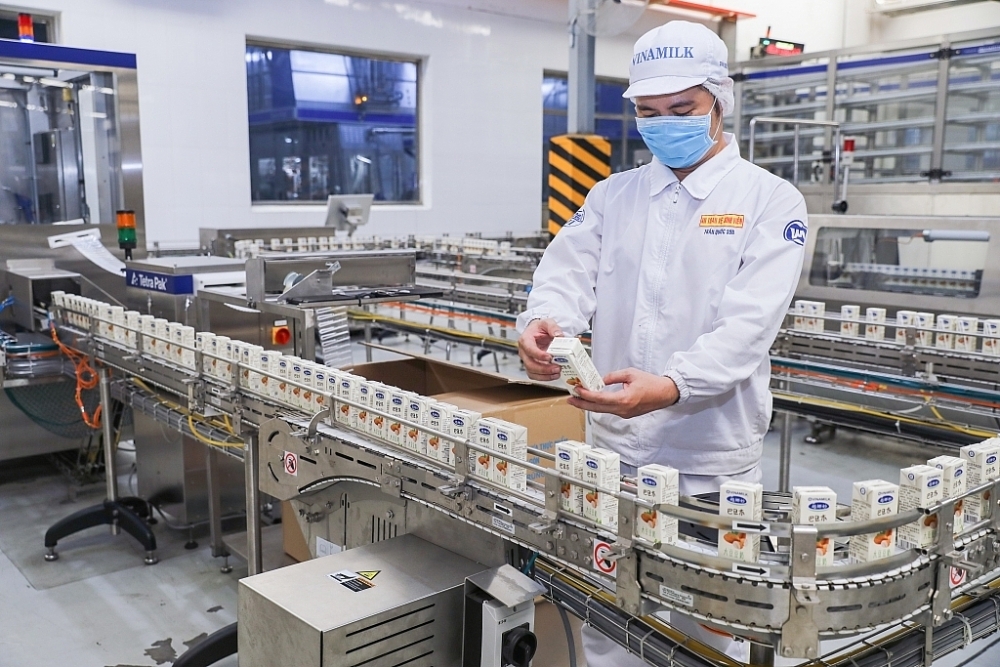
In the report on "The labor market in the fourth wave of Covid: situation and direction" published by Navigos Group, the leading human resource recruitment service provider in Vietnam, the labor demand of enterprises was huge.
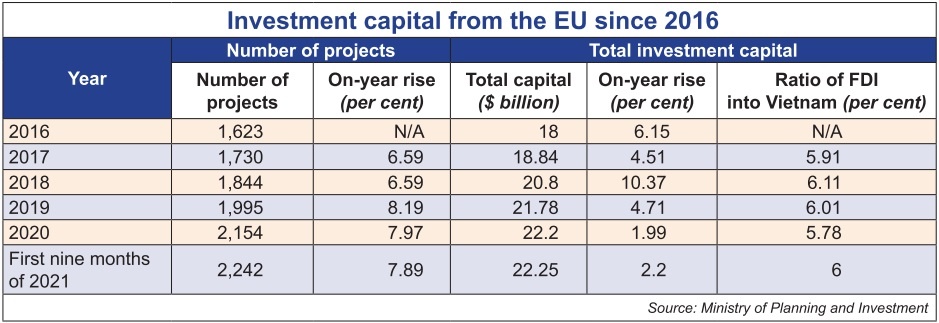
After over one year of entry into force, the EU-Vietnam Free Trade Agreement has enabled Vietnam to attract more investments from the EU and expand trade with this bloc’s member markets.

Since the beginning of the fourth outbreak of COVID-19, many garment and textile enterprises have faced difficulties, even the risk of bankruptcy, due to the temporary suspension of production to ensure the pandemic prevention and control.
| The site is done with the technical support of the project BWTO |