In the process of deep integration into the world economy, many export products of Vietnam have created great competitive pressure in the markets of importing countries, making manufacturing industries of other countries propose the Government to investigate the application of trade remedies.
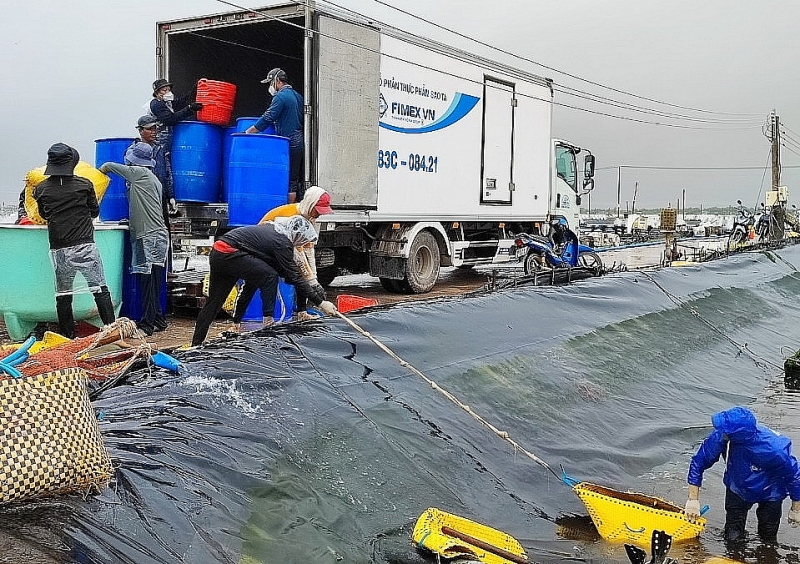
The advantage of exporting shrimp to the EU market does not last long, because in just six months to one year, new supply chains will become stable, and it will be difficult for new businesses to penetrate the market. Vietnamese enterprises are taking advantage of the golden opportunity.
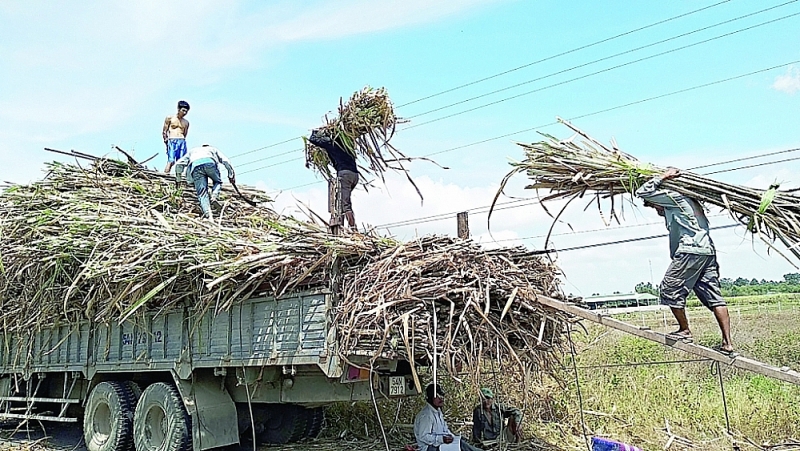
After officially imposing anti-dumping tax and anti-subsidy tax on Thai sugar as well as initiating an investigation to apply anti-circumvention measures against trade remedies for cane sugar products originating from Thailand through five ASEAN countries, the Ministry of Industry and Trade said that in the future, it will evaluate the data and make a decision in accordance with the law. However, the view is not to "blindly protect" the sugar industry.
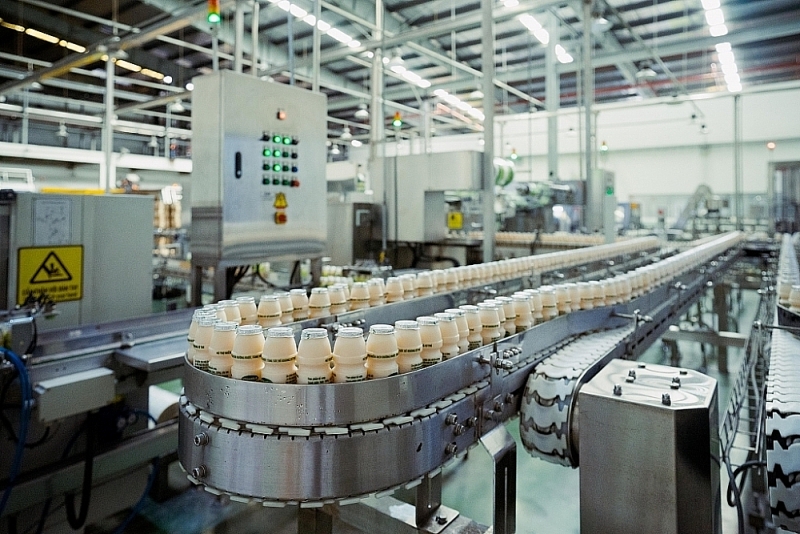
Digital transformation is an important solution and an inevitable trend for businesses to survive, improve competitiveness and production efficiency, and participate deeply in the global value chain amid the pandemic.
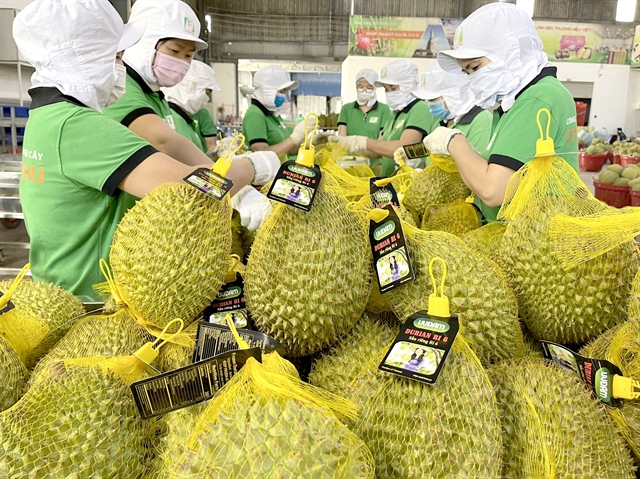
Despite the difficulties in international trade activities brought on by COVID-19, exports of Vietnamese agricultural products to Australia have enjoyed positive growth thanks to their high quality, diverse brands, and trade promotion activities.
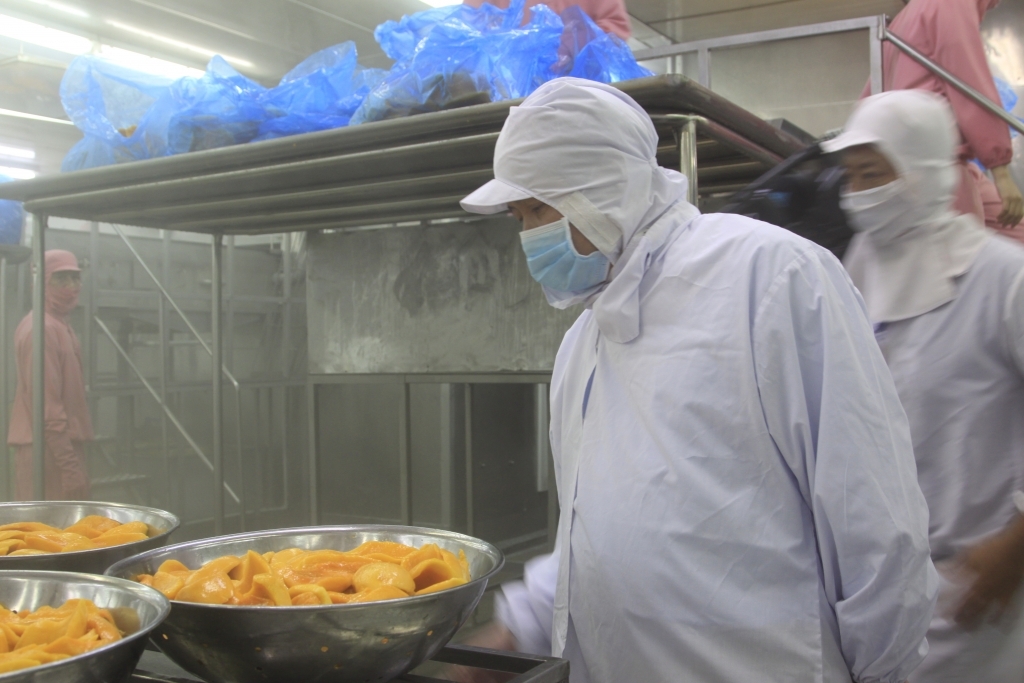
Following the changing regulations of the market, meeting technical standards, and especially paying attention to the issue of social responsibility of exporters are some typical recommendations to help enterprises take advantage of opportunities to accelerate exports to the EU in the future.

Vietnam's textile and garment exports rose to the second highest position in the world during 2020, according to a recent report by the World Trade Organisation (WTO). Enterprises in the industry have flexibly implemented many solutions to promote the production and exportation as well as improve competitiveness and position in the international arena.

Still heavily affected by the pandemic, at this time, many input factors increase in price, making it even more difficult for businesses.

The European Union (EU) is Vietnam's leading agricultural export market. The import demand of this market has also begun to increase rapidly because of the control of the COVID-19 pandemic, creating excellent opportunities for Vietnamese enterprises to boost the export of key agricultural products.

After more than a year implementing the EU-Vietnam Free Trade Agreement (EVFTA), the competitiveness and market share of Vietnamese goods in the European Union (EU) market have both improved remarkably. Vietnam has also risen to become the EU's largest goods trading partner in the ASEAN region.
| The site is done with the technical support of the project BWTO |