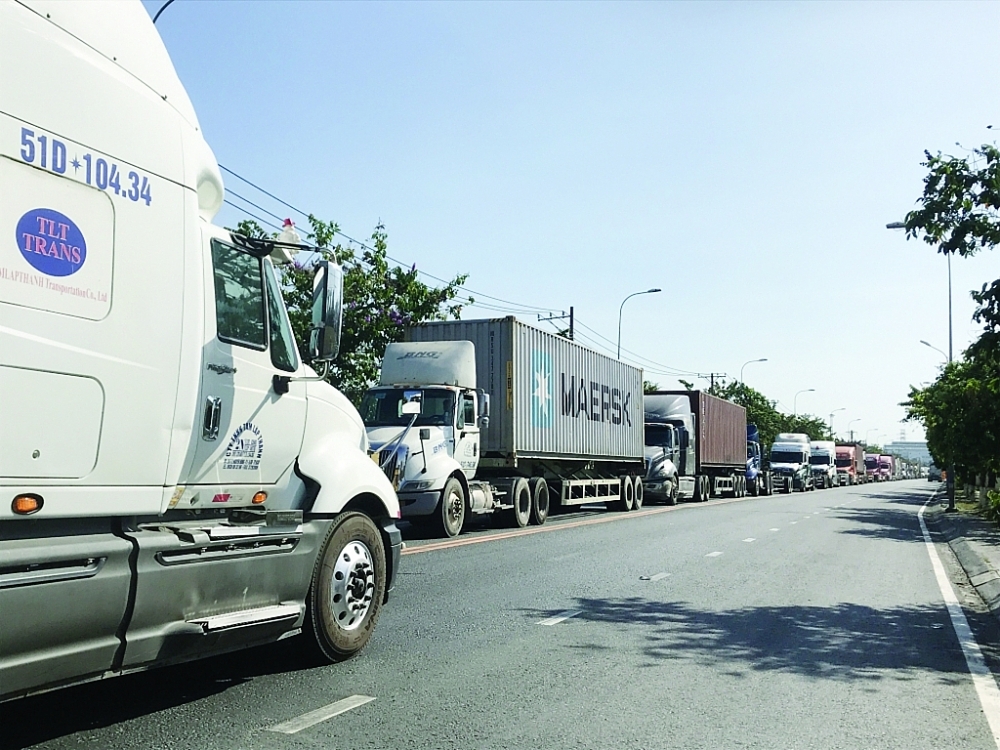
The market share of seaport exploitation of Ho Chi Minh City tended to decrease compared to the provinces in the Southeast region, as there has been a movement of goods between regions. It needs to overcome obstacles to reduce logistics costs.
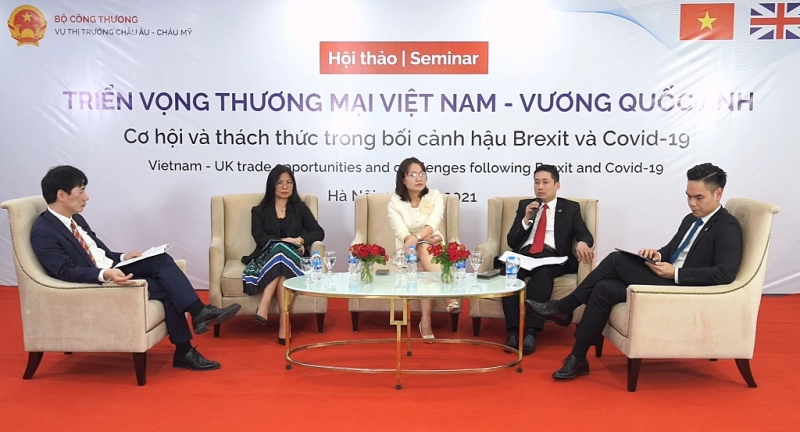
At the seminar "Vietnam - UK trade prospects: Opportunities and challenges in the post-Brexit and post Covid-19 pandemic context", representatives of ministries and businesses discussed policies and opportunities for cooperation in the UK market as well as sharing practical experiences for successful cooperation.
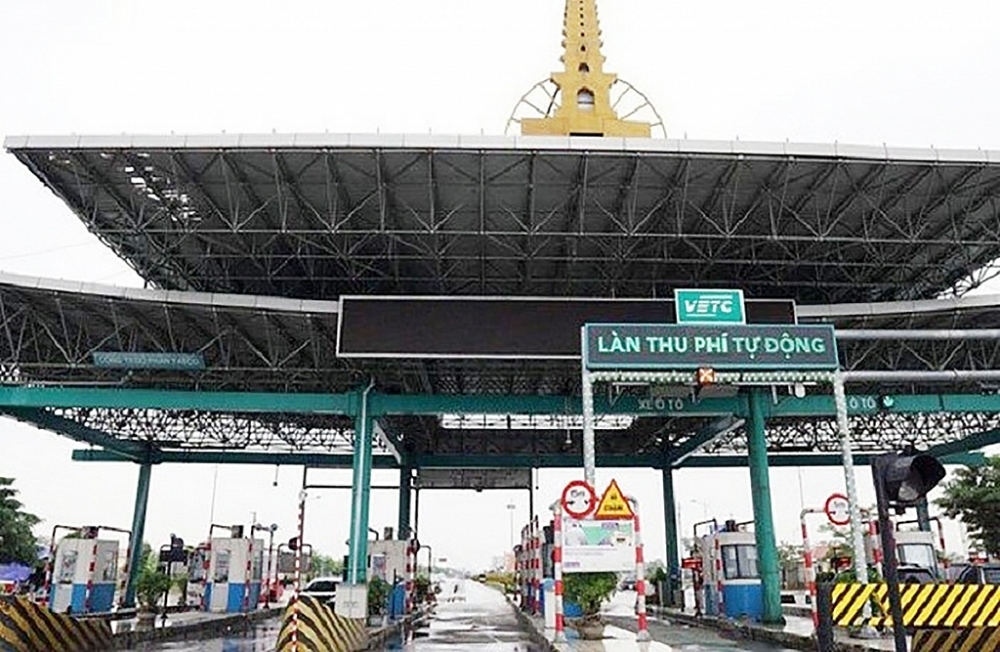
The Covid-19 pandemic has revealed both strengths and weaknesses in business models, as well as the operational processes of various enterprises. Therefore, it is necessary to restructure to ensure sustainable development and allow for breakthroughs in the future.
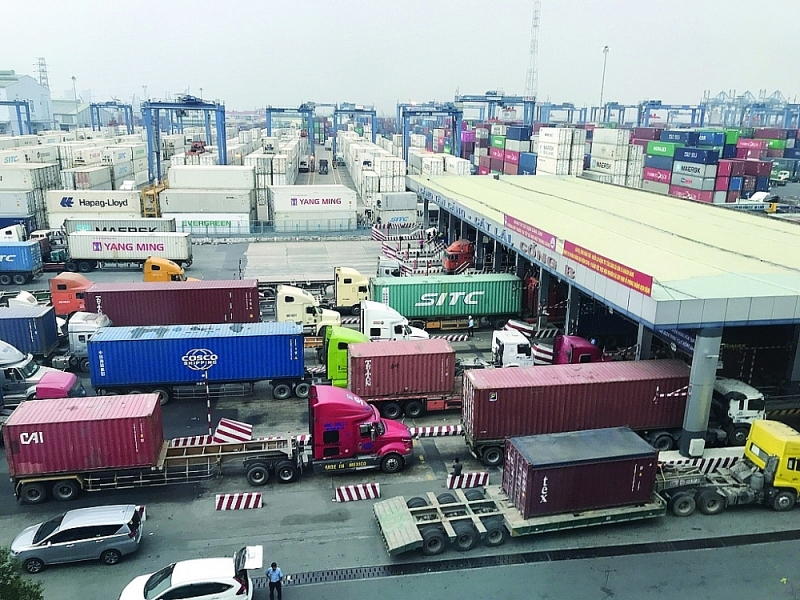
The output of import and export goods at the seaport of Ho Chi Minh City is expected at about 155 million tons in 2025, and about 190 million tons in 2030. Therefore, there is a huge space for development of the logistics industry.
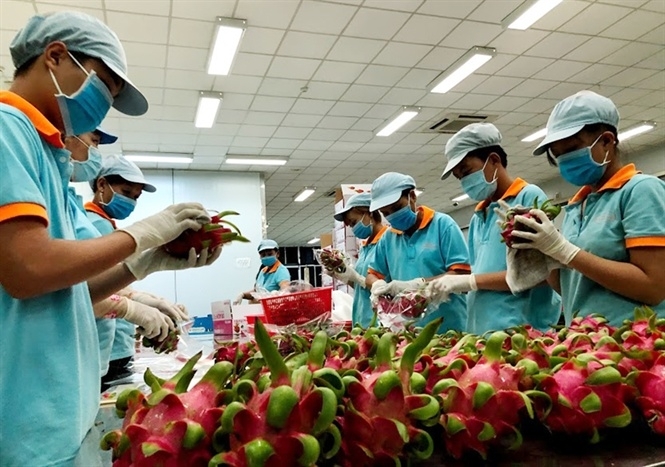
Dang Phuc Nguyen, General Secretary of the Vietnam Fruit and Vegetable Association, said “that China intends to stop importing vegetables and fruits for at least 6 weeks during the upcoming Lunar New Year. This may increase the disruption of the global supply chain, greatly affecting Vietnam's fruit and vegetable exports.”
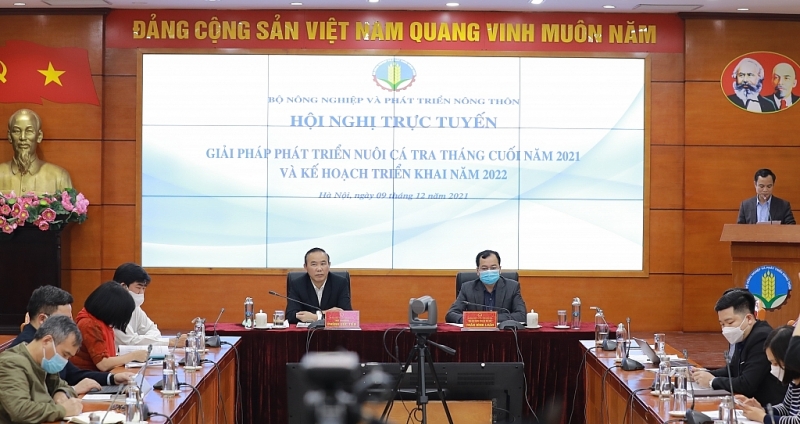
Sutchi pangasius’ export in 2021 will reach over US$1.5 billion, with the figure set for 2022 at over US$1.6 billion. However, the farming area of Sutchi pangasius, in July and September of 2021, has decreased sharply compared to the same period in 2020. As a result, there may be a shortage of raw materials for processing in January-March of 2022.
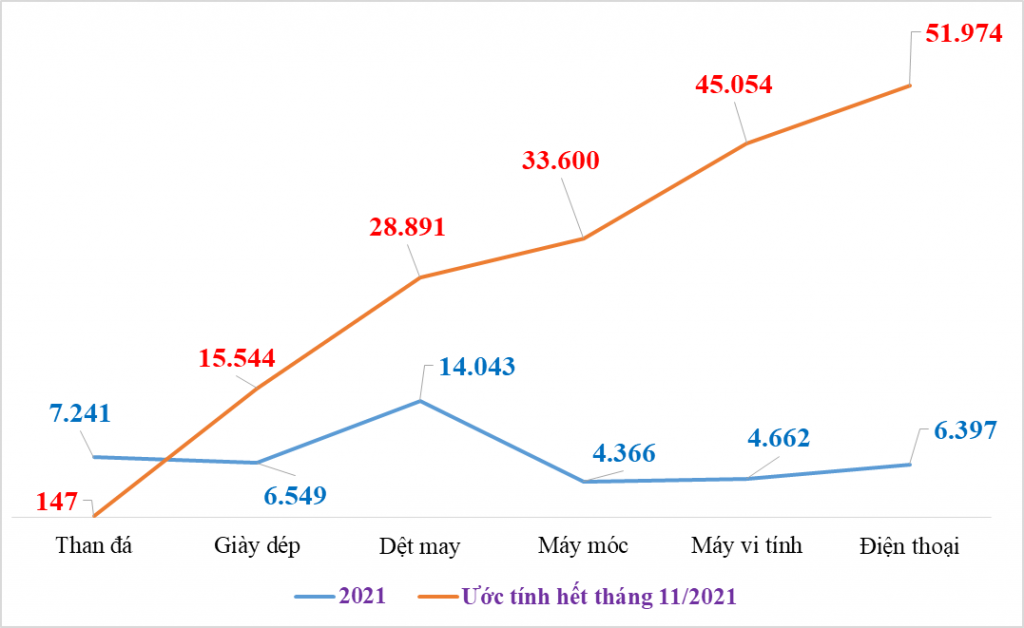
From 2011 to 2021, the scale of Vietnam's import and export turnover increased by more than US$400 billion.
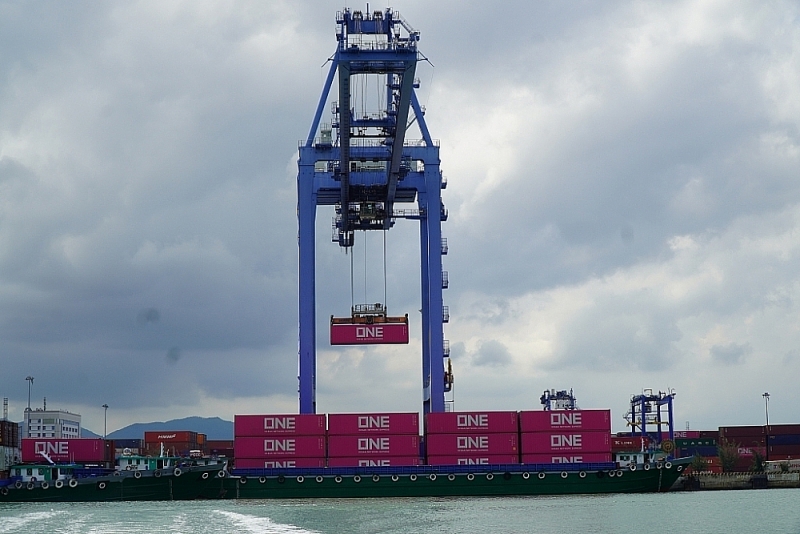
After the "new normal", business activities in Ho Chi Minh City have quickly gained momentum, but profits have not yet recovered. This is due to the heightened price of input materials and transportation. In addition, difficulties in capital make it difficult for businesses to implement "resuscitation" plans.
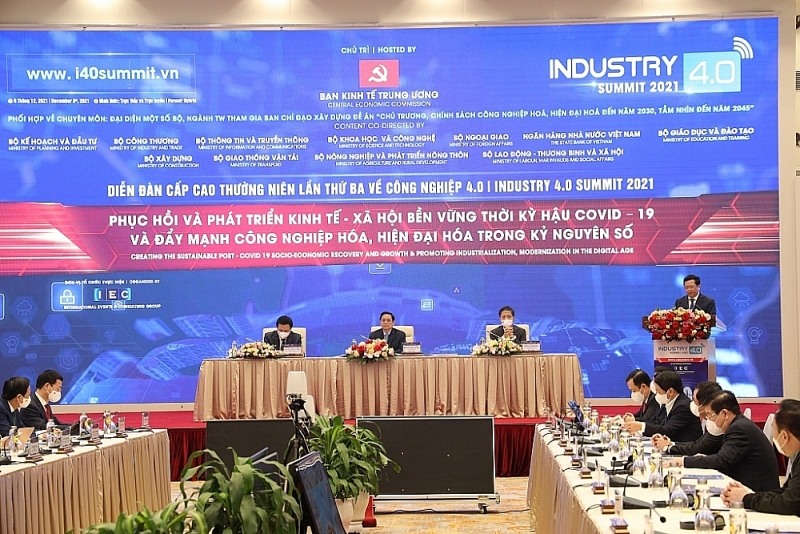
The Central Economic Commission chaired and coordinated with relevant central ministries to organize the third annual Industry 4.0 summit. The theme was "Creating a sustainable post-Covid-19 social-economic recovery & promoting industrialization and modernization in the digital era".
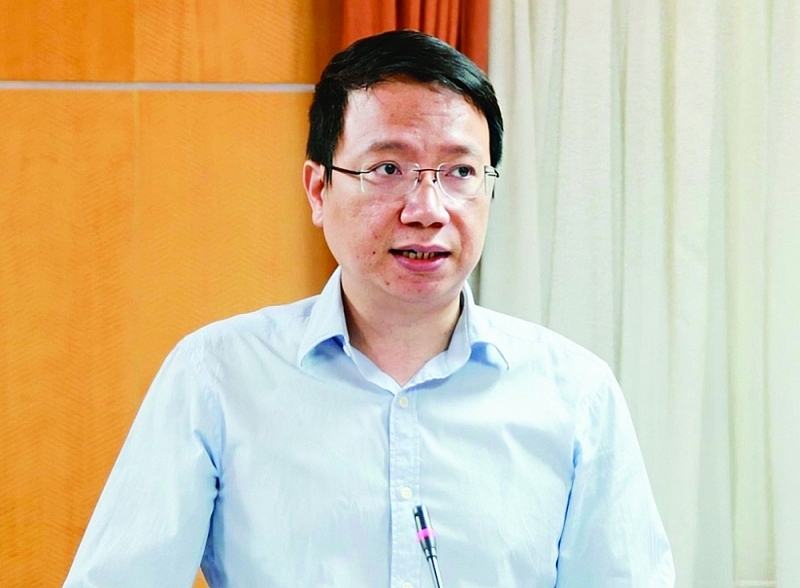
According to Mr. Le Trieu Dung (photo), Director of the Trade Remedies Department (Ministry of Industry and Trade), enterprises in export industries, as well as industries subject to the competition of imported goods in the domestic market, need to consider tools and measures. Trade remedies are an indispensable element in the business environment. From there, enterprises must effectively devise strategies for production, market and response.
| The site is done with the technical support of the project BWTO |