In 2022, to achieve the target of GDP growth of 6 - 6.5%, what measures must Vietnam take? Customs News spoke with Assoc. Dr. Pham Tat Thang, Institute for Strategy and Policy Research, Ministry of Industry and Trade.
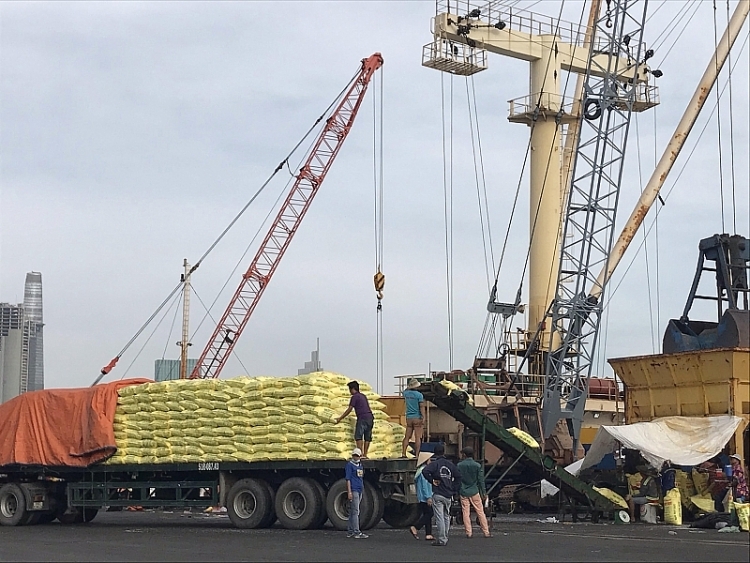
Although the Covid-19 pandemic continues to disrupt international trade activities, Ho Chi Minh City's import and export activities still achieved positive growth.
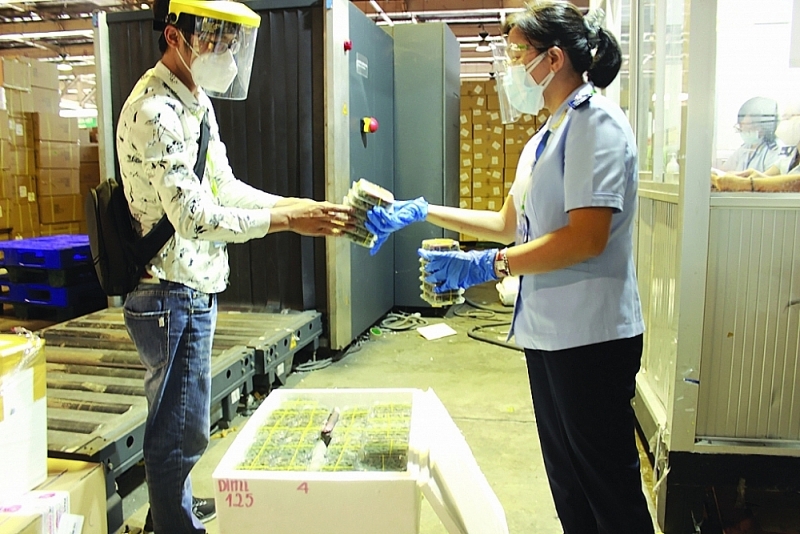
Exports of enterprises are increasing a month since Ho Chi Minh City and the southern provinces opened their economies after a period of strict social distancing to prevent and control the pandemic.
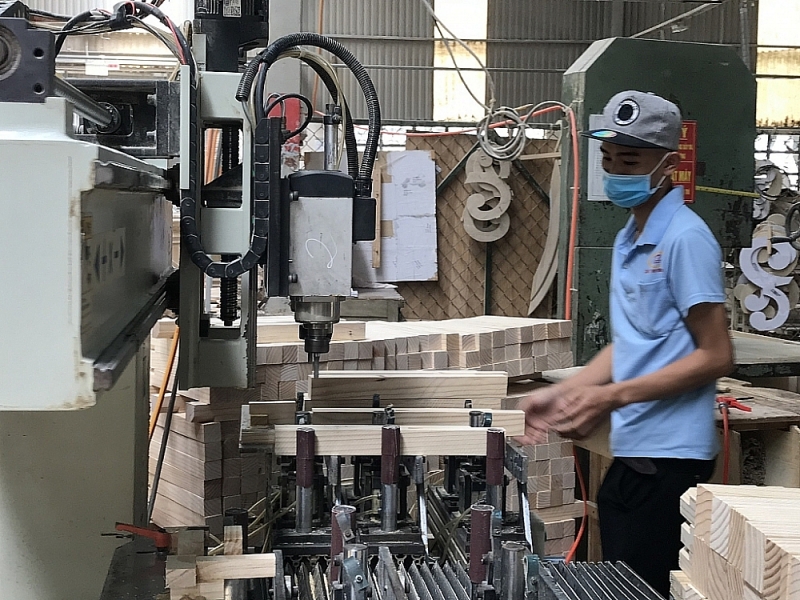
In the first ten months of 2021, the US surpassed China to become the largest market for Vietnam to export agricultural, forestry and fishery products. In the opposite direction, the US also surpassed Cambodia to become the largest agricultural, forestry and fishery export market to Vietnam.
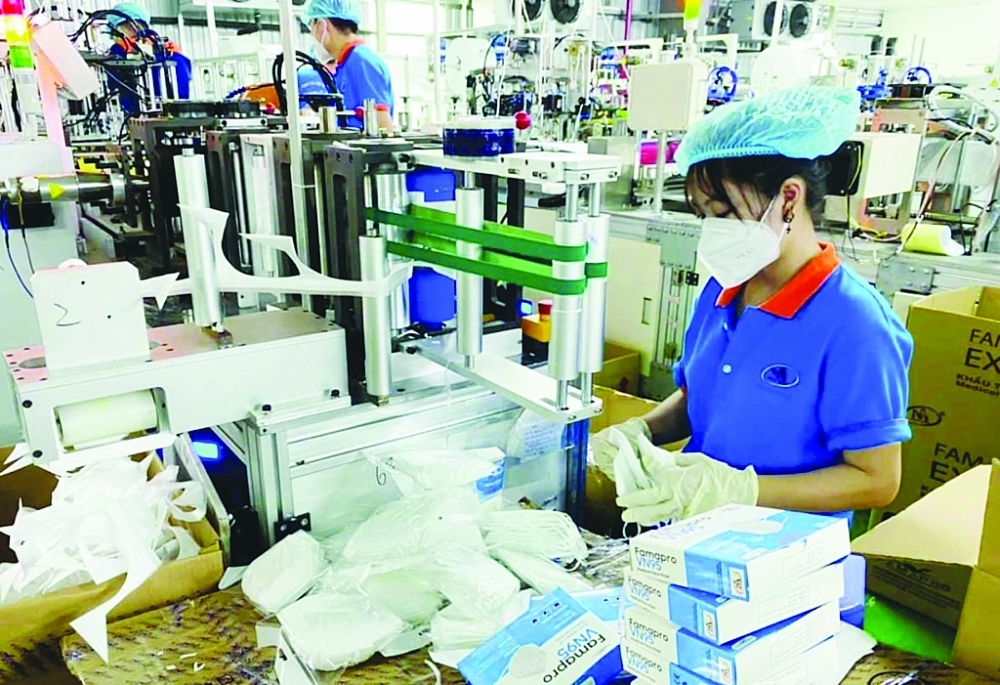
Regarding the economic recovery phase after the fourth wave of Covid-19, Vietnam will face many barriers to its economic growth target in 2022. In which, although it has not yet affected stability, inflation pressure and supply chain disruption is very great, especially in the current monetary easing context.
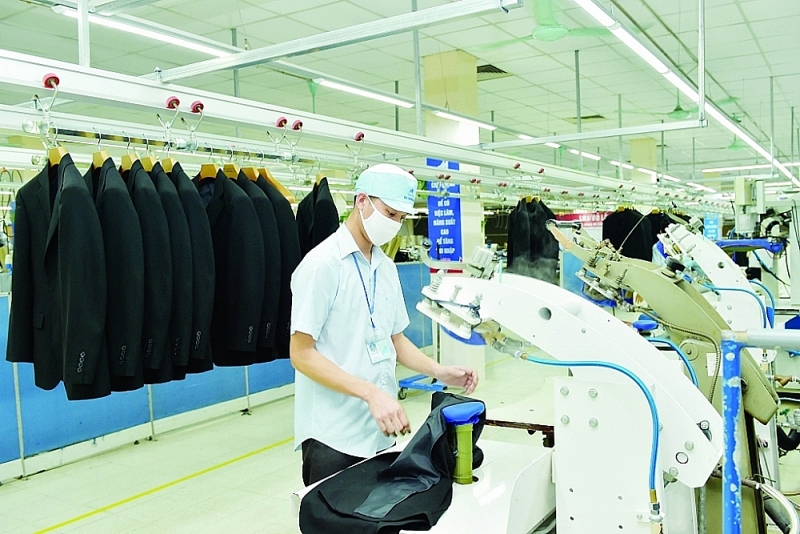
In addition to contributing significantly to Vietnam's export growth to the EU market, the EU-Vietnam Free Trade Agreement (EVFTA) is also considered an important factor creating a rebound for bilateral trade relations after the Covid-19 pandemic, especially when the EU economy is forecasted to recover strongly in the first half of 2022.

Talking to Customs News, Nguyen Quang Hung, Deputy Director of the General Department of Fisheries (Ministry of Agriculture and Rural Development) said that it is expected that in the first quarter of 2022, the European Commission (EC) will examine the actual implementation of the EC's recommendations on combating illegal, unreported and unregulated (IUU) fishing in Vietnam.

After a month of gradually returning to the new normal state, economic activities in Ho Chi Minh City have gradually been restored and are becoming more and more vibrant, especially in the service and trade sectors.
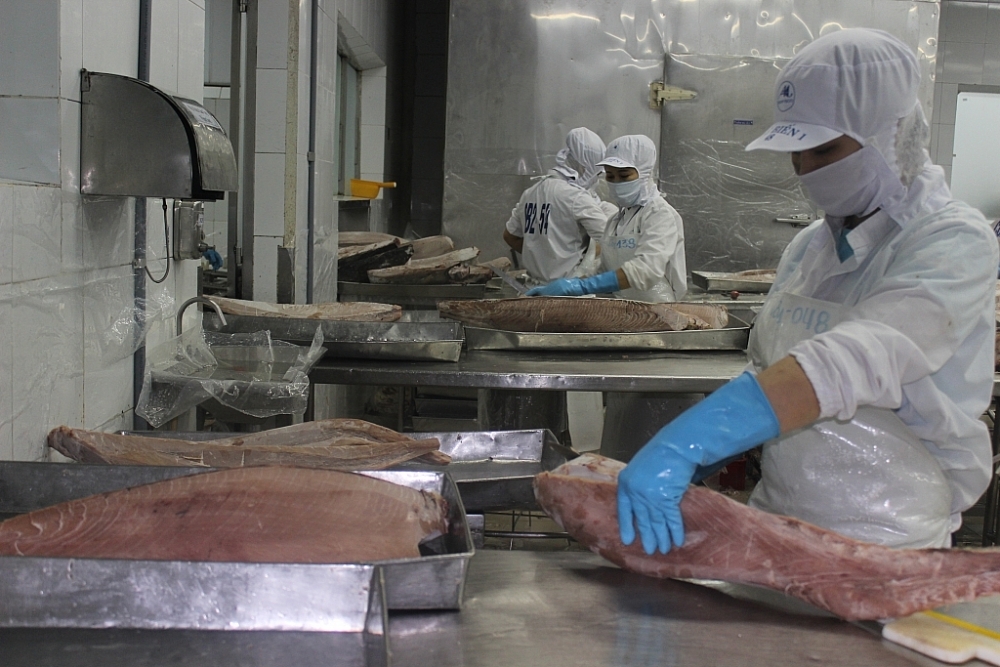
If Vietnam removes the IUU "yellow card", seafood exporters will take advantage of tariff incentives and institutional changes from the EVFTA, recovery opportunities and the goal of increasing seafood exports to the EU market to US$1.2-1.4 billion in the coming years is feasible.
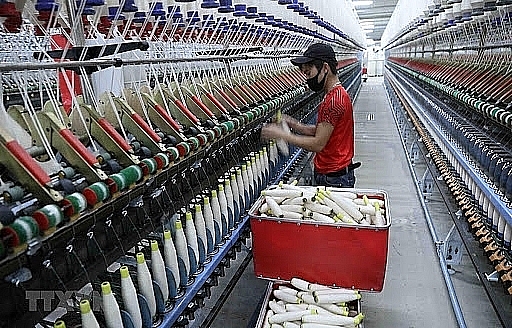
Under the impact of the Covid-19 pandemic, business results among textile and garment enterprises recorded a strong divergence, with many enterprises suffering from losses when their production and business activities were disrupted, while others achieved profits.
| The site is done with the technical support of the project BWTO |