The European Parliament (EP) on February 12 ratified the European Union Vietnam Free Trade Agreement (EVFTA) and the EU-Vietnam Investment Protection Agreement (EVIPA). The next step before the agreements can come into force is the ratification of the agreement by the National Assembly of Vietnam which is expected in May 2020.

Vietnamese consumer goods are expected to find ways to make it to the US market as trade between the two countries increases.

Việt Nam’s total seafood export value in January fell by 12.5 per cent to US$644 million year-on-year due to the impacts of the novel coronavirus epidemic, according to the Việt Nam Association and Seafood Exporters and Producers (VASEP).

Although the efforts of the General Department of Customs (Ministry of Finance) have brought about positive results, it is necessary to take active efforts to improve the ranking in the cross-border trade transaction index through efforts of specialized management agencies,enterprises in port warehousing and logistics enterprises.

Prime Minister Nguyễn Xuân Phúc has recently issued a decision to establish a national steering committee to implement Việt Nam's marine economic development strategy by 2030, with a vision to 2045.
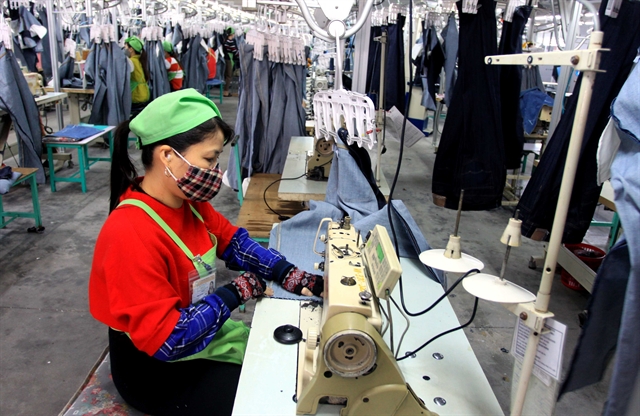
Việt Nam will launch a national programme to improve labour productivity, a critical factor for the middle-income country to enhance its competitiveness and develop.

Local authorities and businesses are making efforts to promote domestic consumption of agricultural products, which are piling up due to the impact of novel coronavirus outbreaks in China.

SSI Securities Company has just released a report assessing the impact of the coronavirus on 23 groups of industries. In particular, SSI gave negative reviews to nine industry groups, neutral assessments for 10 sectors and four sectors were positively evaluated based on the effects of the coronavirus.

Vietnam exported approximately 6.34 million tonnes of rice with a total value of US$2.79 billion in 2019, up 3.9% in terms of quantity but down 9.7% in terms of value compared to 2018. It’s been predicted that rice exports in 2020 will continue to face numerous difficulties regarding export quality and markets.

The coronavirus epidemic and long Tet holiday has caused import-export turnover in January and China in particular to plunge.
| The site is done with the technical support of the project BWTO |