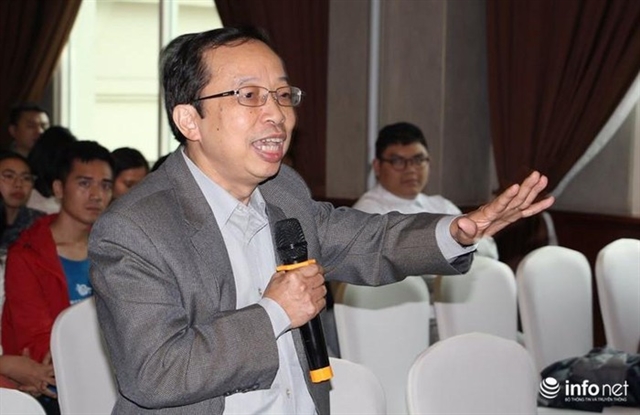
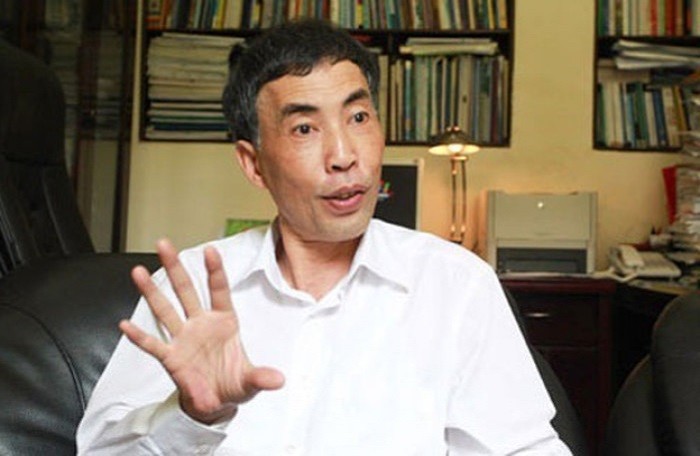
Việt Nam needs a “revolution in its policy-making mind-set” before it can take advantage of the fourth industrial revolution, said Phạm Xuân Hòe from the Banking Strategy Institute, at a forum in Hà Nội yesterday.
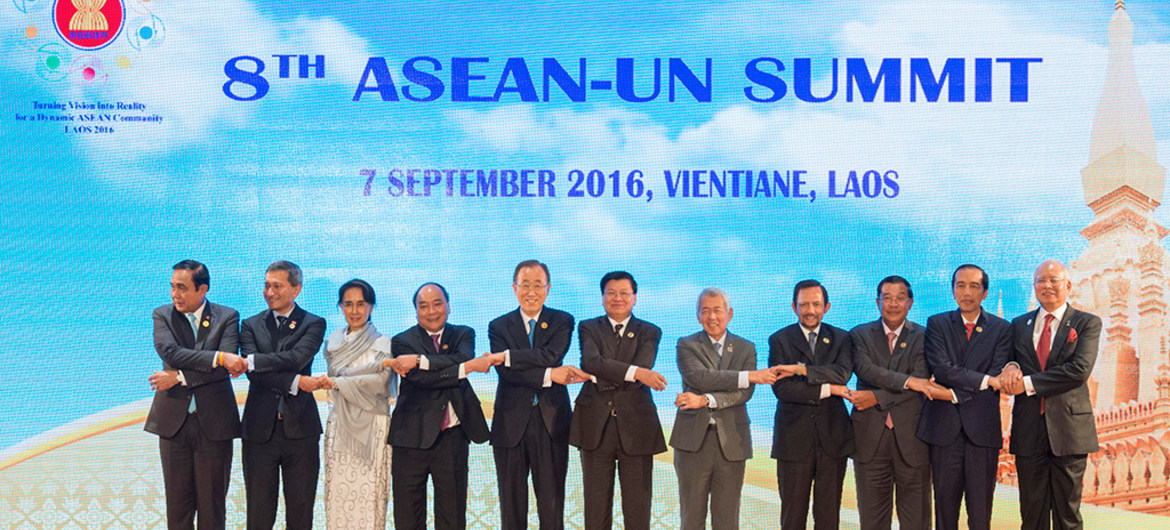
The first day of the New Year, known as Tet in Vietnam, falls on January 25 and signals the beginning of a new day. At the start of the year, Hanoi is wasting little time to shine a global spotlight on its position, prestige, and responsibility as the new chair of Association of Southeast Asian Nations (ASEAN) and as a non-permanent member of the UN Security Council.
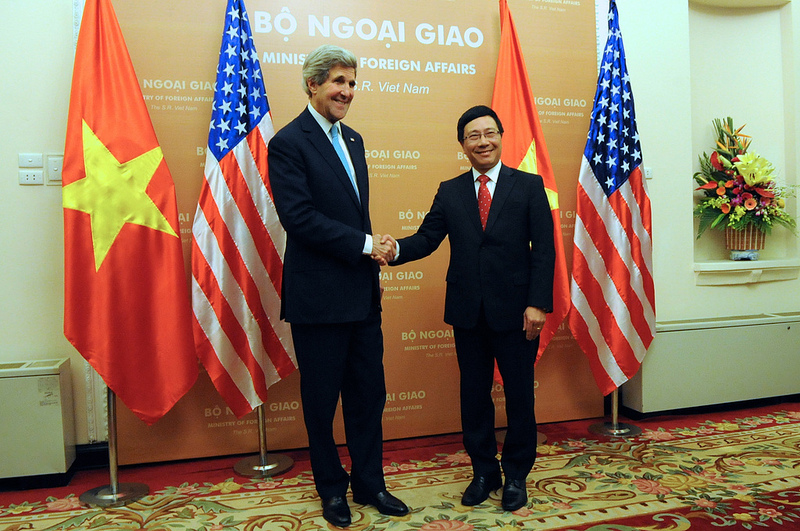
Finally, Vietnam has fulfilled its long-held dream of becoming a non-permanent member of the UN Security Council (2020-2021) at the same time as the country chairs 10-member Asean. These dual strategies have high diplomatic value in propelling Vietnam to become a leading member in the future Indo-Pacific scheme of things.
In 2019, the global economy witnessed a steady deceleration. According to estimates made by the International Monetary Organization (IMF) in October 2019, growth reached only 3.0 per cent compared to 3.6 per cent in 2018, lower than forecasts made in July and April respectively by 0.2 and 0.1 percentage points. Trade flow and foreign direct investment also decreased.
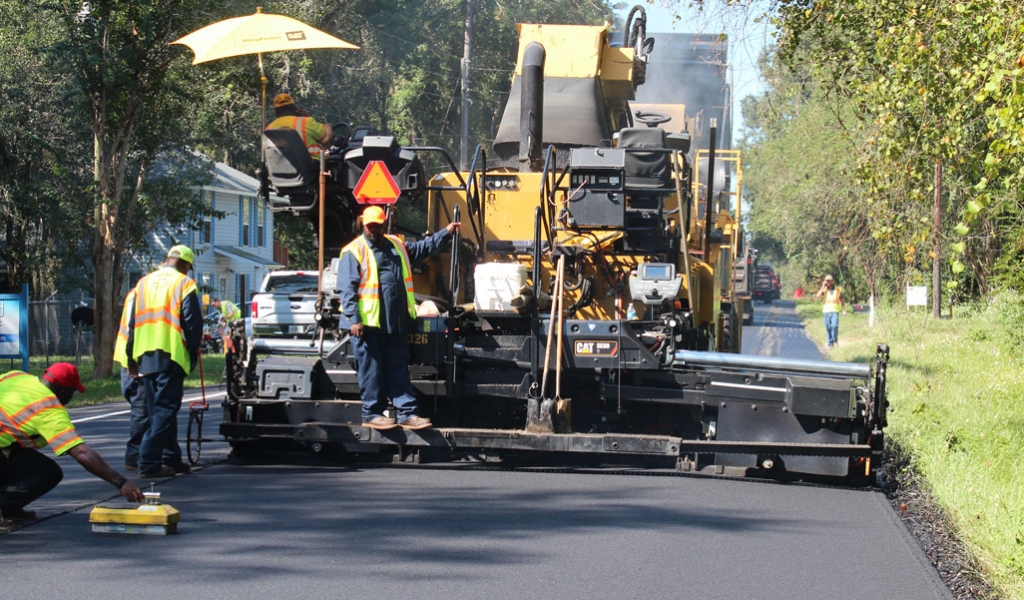
US investment in Vietnam kept its strong pace in 2019, and is expected to rise further on the back of business improvements and the country’s developments on emerging technology rules.
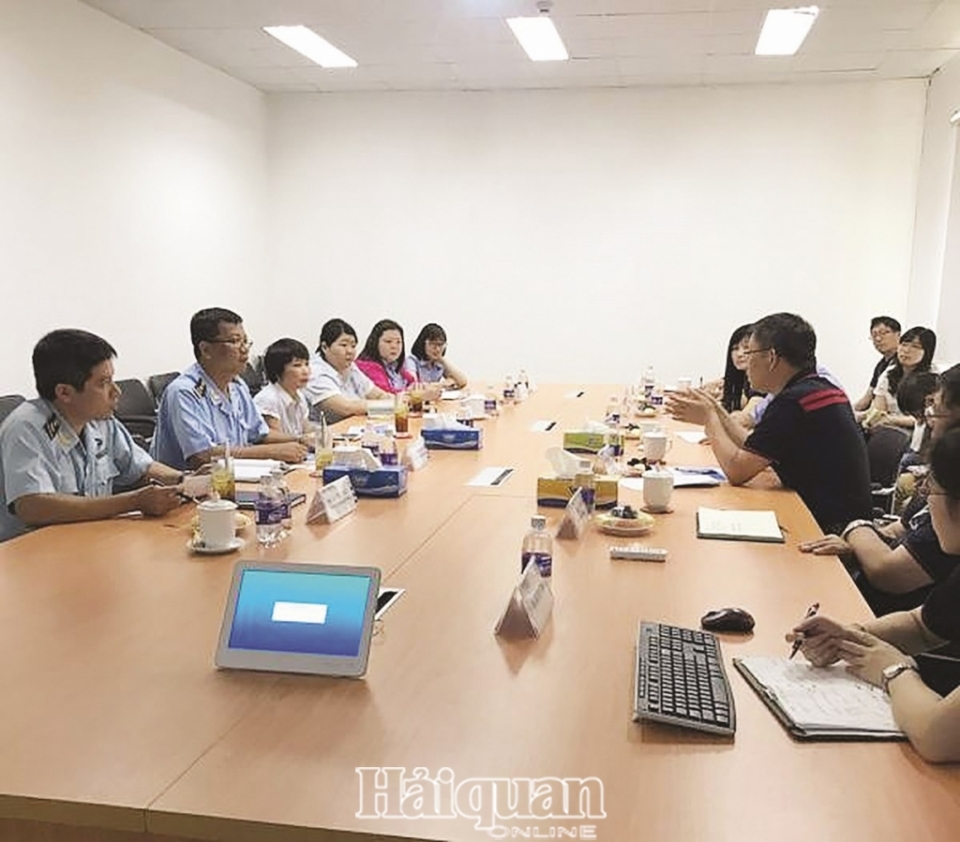
As there are many enterprises engaged in import and export activities, with 100 percent foreign investment capital from countries and territories such as Japan, South Korea, China and Europe, Binh Duong Customs Department has implemented many measures to support and facilitate businesses in import and export activities, which are recognized and appreciated by the business community.
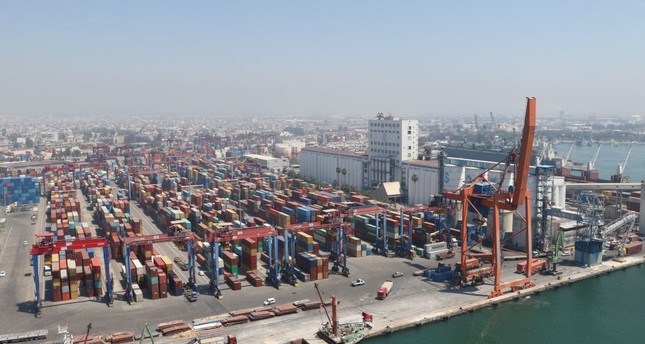
Talking to reporters from Customs Newspaper, economist Le Quoc Phuong said that, despite having four consecutive trade surpluses, but with a processing economy like Vietnam, the worries about the trade deficit situation going back in 2020 is completely normal.
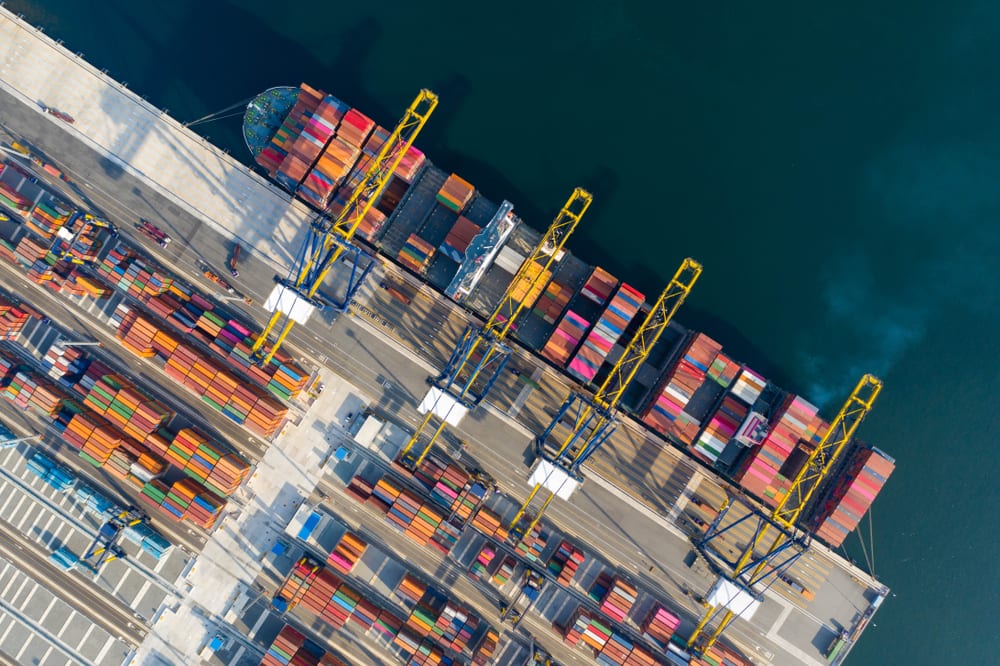
According to experts, while implementing the Vietnam-EU Free Trade Agreement (EVFTA) is a great opportunity for businesses, there will also be the challenges of non-tariff barriers from this market. After the tariff barriers are removed, it will be a big obstacle for Vietnamese enterprises to access the EU market.
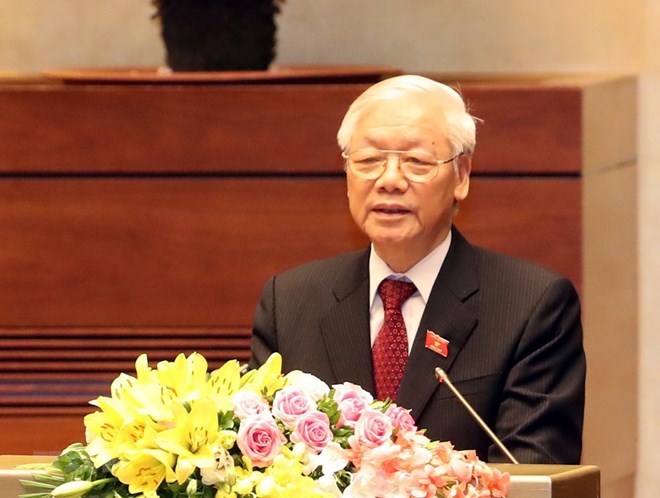
Party General Secretary and President Nguyen Phu Trong has sent out a message on the occasion of Vietnam’s assumption of the roles of the ASEAN Chair 2020 and a non-permanent member of the United Nations Security Council (UNSC) for the 2020 – 2021 tenure.
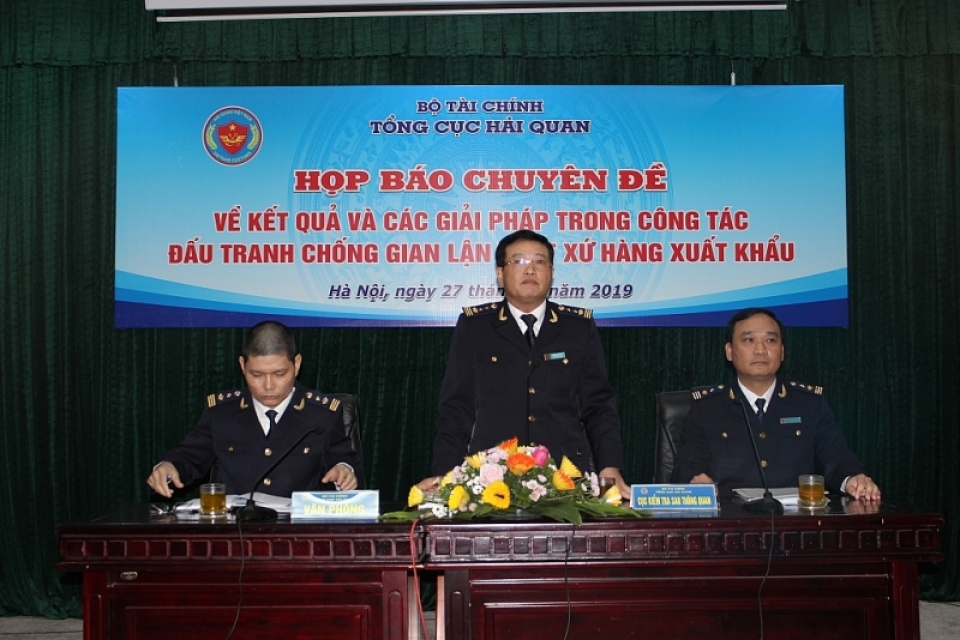
Information given by the leader of Post-Clearance Inspection Department (General Department of Customs) at apress conference about results and solutions to fight against fraud originating exports, issued by the General Department of Customsheld on themorning of 27 December.
| The site is done with the technical support of the project BWTO |