When asked about the specialized inspection for import and export goods today, many enterprises still mentioned problems such as difficulties and costly implementation.
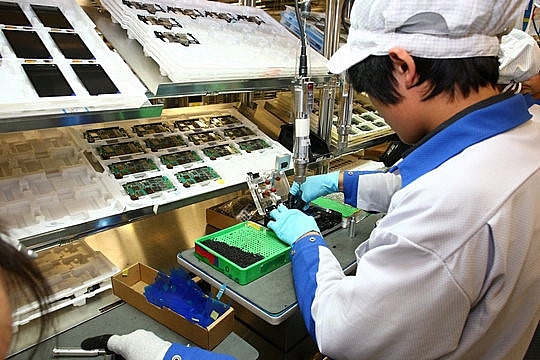
Việt Nam has taken full advantage of the CPTPP to gain strong growth in exports to Canada and Mexico, according to the Ministry of Industry and Trade (MoIT).

The Americas or the US and the European Union (EU) are the leading important export markets of Vietnam, of which the US is the largest market among more than 200 countries and territories with which Vietnam has foreign trade relations. But by continent, Asia is the largest trading partner and also the largest export market area of our country.
Policies and regulations must be ready once the Europe-Việt Nam Free Trade Agreement (EVFTA) is approved so Vietnamese enterprises can reap the benefits of the trade pact, experts said on Monday.
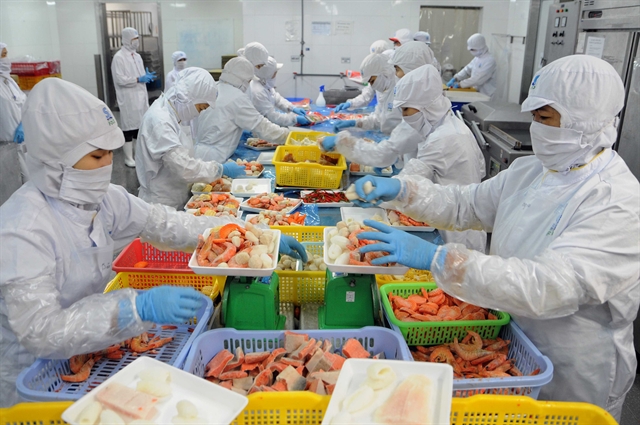
After a serious decline in the first two months of the year, in the future, seafood exports are expected to continue facing many difficulties due to the impact of Covid-19. Notably, the trend of seafood consumption has changed significantly, moving from fresh goods to frozen goods.
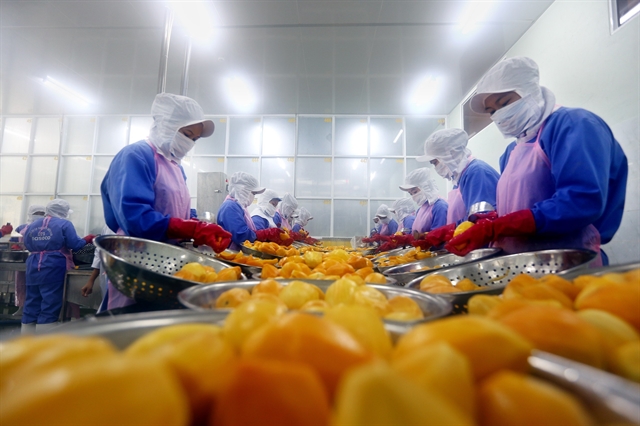
Việt Nam is in need of major investors in fruit and vegetable production in order to boost processing, especially in the packaging and post-processing stages, to preserve products for longer and enhance their value.

Management agencies have put in place drastic steps in a bid to support businesses as they actively seek out sources of raw materials to be used in production whilst boosting trade promotion activities.

Specialised inspection reform for import and export goods has been deployed six years ago, when the Government issued Resolution 19/2014/NQ-CP requesting the Ministry of Finance coordinate with ministries and sectors in reviewing and re-evaluating import-export processes, dossiers and procedures; as well as reduce import-export time for businesses.
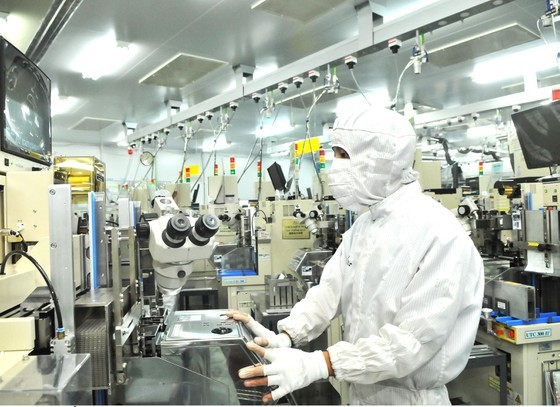
In the first two months of this year, the electricity, electrical refrigeration, processing, and manufacturing industries continued leading in the foreign direct investment (FDI) capital attraction into Vietnam. According to experts, this comes from the advantage that the country has successfully signed the EU-Vietnam Free Trade Agreement.

The EU-Vietnam Free Trade Agreement and Investment Protection Agreement raise many hopes for all of Vietnam’s economic sectors. John Campbell, manager of Industrial Services from Savills Vietnam, assesses the impacts of these new agreements on the Vietnamese industrial sector.
| The site is done with the technical support of the project BWTO |