The COVID-19 pandemic is a huge challenge for businesses irrespective of sector and size in all regions and countries, including Việt Nam.

Over 45 years after the Southern liberation and national reunification, the city named after Uncle Ho has been active and creative, along with the whole country in terms of socio-economic development and national construction.

The Covid-19 pandemic has seriously reduced the export of goods in the first quarter of 2020 and is expected to continue to have a strong impact on exports in the second quarter. Compensating for the loss and salvaging exports all year, new generation FTAs such as the CPTPP and EVFTA are expected to benefit.

Vietnam is easing social distancing restrictions, seeking ways to live safely with the epidemic, and beginning to restore production and business to revive economic growth. The whole country is adapting to a new “normal”.

Việt Nam has gained success in reforming business conditions over the past seven years. However, the nation has not reached its target at being one of the top four ASEAN business environments.

Although production activity is heavily affected by the Covid-19 pandemic, domestic and foreign investment capital still poured into export processing zones and industrial zones (EPZs, IPs) of Ho Chi Minh City in the first months of 2020.

HCM City authorities are seeking opinions from experts and enterprises on the best ways to revive the economy, a top city official said yesterday at a seminar.

The world is changing as the ongoing coronavirus (COVID-19) pandemic continues to present unprecedented challenges to all economies, industries and living conditions.
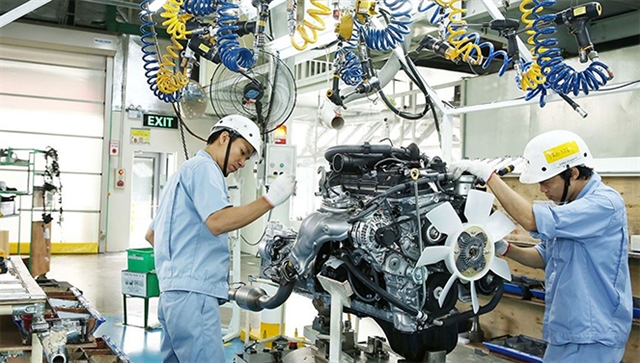
The COVID-19 pandemic has hit Việt Nam from the end of January, directly impacting the domestic labour market, according to the General Statistics Office (GSO)'s report on labour and jobs in the first quarter of this year.

As an agricultural country with millions of farming households, agricultural products in general, including rice is the main export industry with turnover of billions of dollars each year, contributing to improving the lives of farmers.
| The site is done with the technical support of the project BWTO |