Two months after Vietnam stepped out of the pandemic stage, the Government has stepped up the recovery and economic development activities in thenew normal along with the efforts of the business community. Thanks to that, the economy has initially had positive signs.

At the seminar "Tax policy and customs procedures when implementing EVFTA" organised by Customs News in coordination with EuroCham, the Director of the Customs Control and Supervision Department (General Department of Vietnam Customs) Au Anh Tuan said that an issue businesses need to be concerned about is researching and fully implementing regulations on the origin of goods.

Many obstacles and barriers affecting the production and export of aquatic products have been proposed to be removed to facilitate and speed up enterprises after the pandemic.
Việt Nam’s leather and footwear industry should improve its supply chain performance to take advantage of the milestone trade deal that Việt Nam has signed with the EU and to recover from the effects of the COVID-19 crisis, speakers said on Tuesday at an international footwear conference.
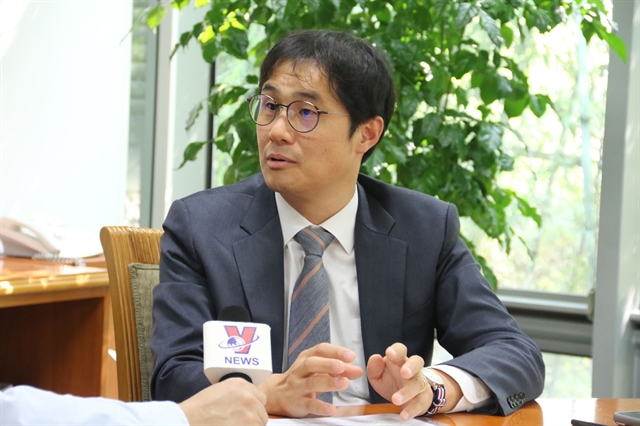
The Regional Comprehensive Economic Partnership (RCEP) is a trade agreement between the ten member states of ASEAN and its six partners including Australia, China, India, Japan, New Zealand and South Korea. Director of South Korea’s Asan Institute for Policy Studies’ Center for ASEAN and Oceania Studies Lee Jaehyon talks with Vietnam News Agency about the importance of RCEP in the region.
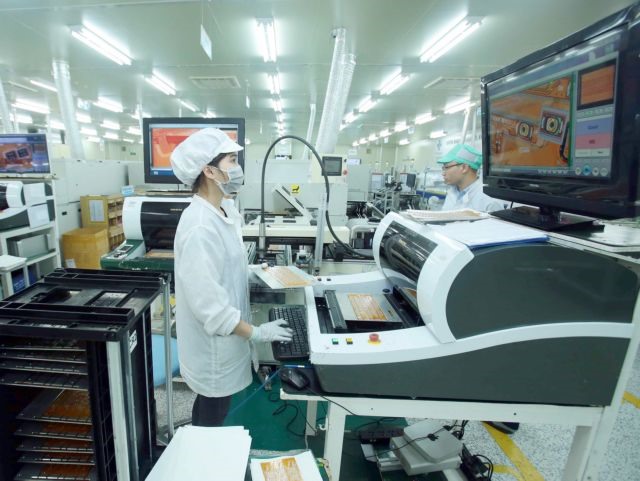
Việt Nam’s gross domestic product (GDP) expanded 1.81 per cent year-on-year during the first half of this year, the lowest six-month growth pace since 2011, according to the General Statistics Office (GSO).
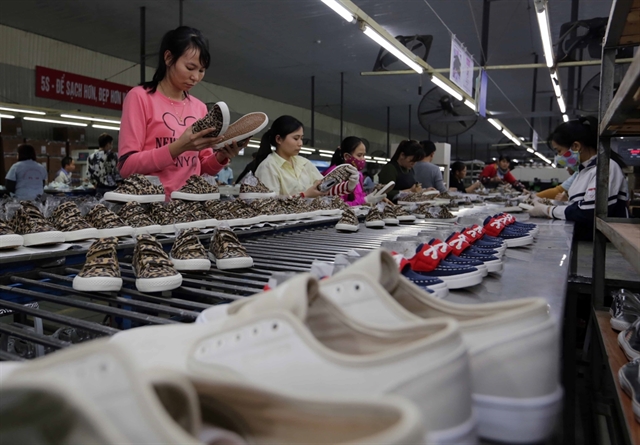
The European Union Free Trade Agreement (EVFTA) will create significant opportunities for Vietnamese firms to recover and develop after the COVID-19 pandemic, Deputy Minister of Industry and Trade Trần Quốc Khánh said at a conference on Monday in Hà Nội.
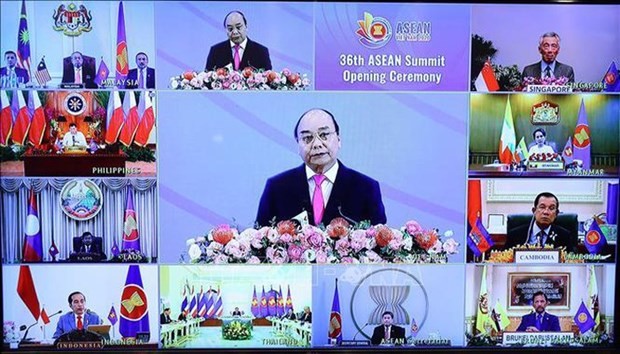
Vietnam has become more respected internationally thanks to its successful organization of the 36th ASEAN Summit amid the COVID-19 pandemic.

After the first half of the year, the export price of raw fish was below the cost price, so it is forecast that Vietnam's pangasius industry will gradually recover, reversing the situation from the third quarter. Pangasius export is promoted in traditional markets and takes advantage of Free Trade Agreements (FTA) to exploit potential markets such as Russia and Brazil.

Until now, measures to avoid tax evasion have not greatly affected Vietnam's export turnover, especially for wood products. However, the Ministry of Industry and Trade noted that businesses need to have a strategy to develop domestic raw material resources and long-term response to anti -tax evasion investigations.
| The site is done with the technical support of the project BWTO |