 Many Iranian firms in the industry and mining sectors are expressing interest in the Vietnamese market and wish to expand trade between the two nations.
 The EU-Vietnam Free Trade Agreement will open an important gate for investor access to the government procurement market, with win-win opportunities for investors, state agencies, and the Vietnamese people.
 Over the past decade, it has become clear that the way we measure the value of businesses has changed completely.
 The EU-Vietnam Free Trade Agreement as well as other FTAs which Vietnam agreed upon will bring extensive changes to the Vietnamese market.
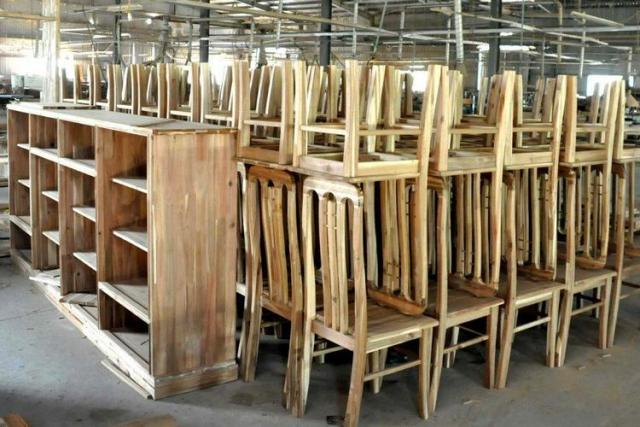 Negotiations on the EU-Vietnam Voluntary Partnership Agreement (VPA) to promote the implementation of the EU’s Forest Legality Enforcement, Governance and Trade (FLEGT) Program are expected to finish later this year.
 Even as Vietnam’s textile industry seeks to derive the maximum advantage from the Trans Pacific Partnership (TPP), the sector is grappling with low labour productivity and a serious shortage of textile and dyeing materials.
 Vietnam needs to have five million companies, ten times the current number, for there to be a breakthrough in economic growth. In recent years, the country has seen a wave of emerging startups
 According to the Vietnam Textile and Apparel Association (VITAS)’s figure, turnover of textile and garment reached US$27 billion in 2015 yet the value of import was quite great and the sector still imported much Chinese commodities.
 Nguyễn Anh Tuấn, the director general of the Institute of Policy and Strategy for Agriculture and Rural Development, told Nông thôn Ngày nay (Countryside Today) newspaper that a target growth rate of 2.5-3 percent over the next five years is feasible.
 The Ministry of Health (MoH) has released a list of food exempted from safety inspections when imported.












| The site is done with the technical support of the project BWTO |