 The 38th ASEAN Law Association (ALA) Governing Council Meeting convened in Ho Chi Minh City on April 2, bringing together delegates from ten ASEAN member states.
 “The textile and apparel industry cannot be characterized as a low value-added industry because it possesses labor-intensive as well as high-value added segments,” it noted.
 The Government should have clear policies in supporting Vietnamese enterprises for the industry to take advantage of opportunities from the new generation free trade agreements (FTAs) recently signed.
 The increasing appearance of foreign direct investment (FDI) projects in research & development (R&D) will help Vietnam accelerate the transformation from a low value-added production economy to a high value-added one.
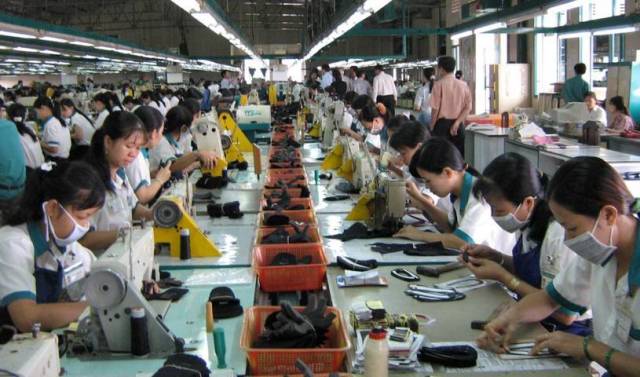 The system of policies on labour and employment must be reviewed and amended to be more easily-approached and ensure the rights and interests of employers and employees during Việt Nam’s integration into international markets.
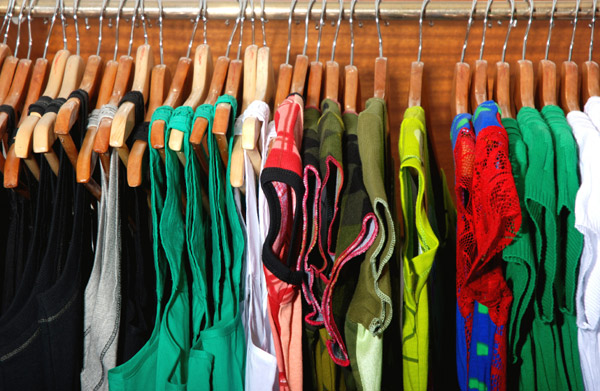 In what could be a matter of concern for Vietnam's textile industry, Deputy Minister of Industry and Trade, Nguyen Cam Tu said that the country's textile and apparel sector remained passive in global value chains (GVCs).
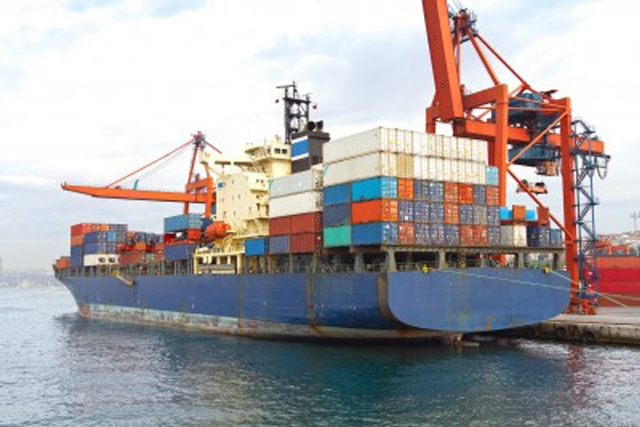 Regional integration and bilateral trade growth are driving Vietnam's ambitions to become a major transport and logistics hub, though existing port infrastructure will need to be better leveraged to achieve the country's goals.
 The central city of Đà Nẵng topped the Provincial Competitive Index (PCI) for the third consecutive year in 2015, among 63 provinces and cities nationwide.
 Economists have urged authorities in the Cửu Long (Mekong) Delta to create a start-up environment and encourage business incubations to take full advantage of the ASEAN Economic Community (AEC) and Trans-Pacific Partnership (TPP).
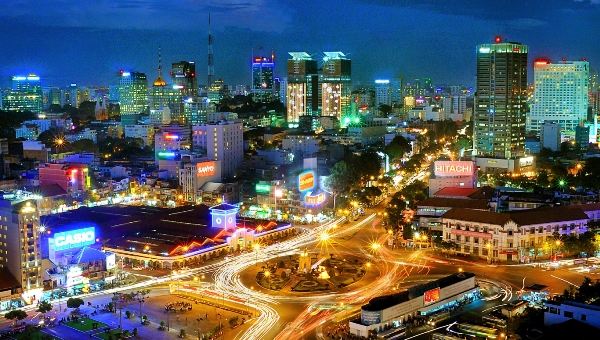 The localisation rate in Việt Nam - the percentage of a product locally made - is too low as the number of Vietnamese part supplying businesses accounted for only three per cent of the country’s total, Phan Đăng Tuất, former director of the Institute for Industrial Policy and Strategy said.

















| The site is done with the technical support of the project BWTO |