Compared to other countries in the region, Vietnam has many favorable conditions to develop the Halal industry (standard products and services for Muslims); especially the Vietnamese Government is also very interested in opening up and support Vietnamese businesses to effectively participate in the global Halal market.
 Many seafood businesses have mentioned barriers that are affecting exports that need to be removed.
 Besides 12 fruit and vegetable items; bird's nest, fish meal and some products for the production and processing of animal feed, dairy and seafood products that have been officially exported to China, fresh coconuts, frozen durian, crocodiles, poultry... are expected be officially exported to the Chinese market in the near future.
 Despite the EU-Vietnam Free Trade Agreement’s removal of tariffs for many export items into the EU market, meeting stringent rules of origin may be a burden for businesses to cash in on the deal’s benefits.
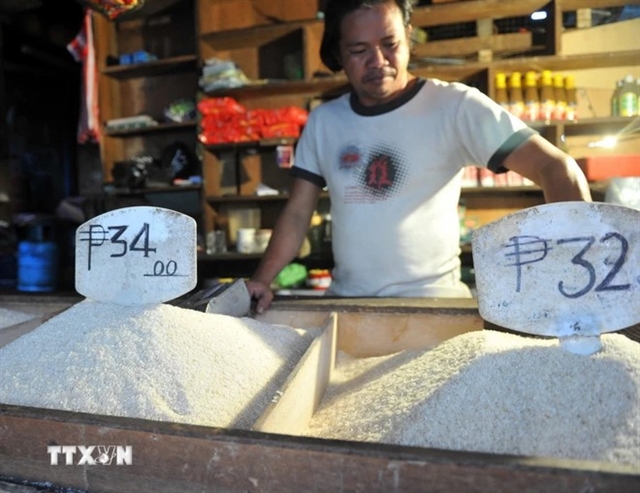 The Philippines, one of the world's largest rice buyers and largest customers of Vietnamese rice, announced a reduction in import taxes from 35 per cent to 15 per cent, effective immediately and lasting until 2028.
 Vietnamese businesses need to use clean energy, make specific commitments and actions to convert to sustainable and environmentally friendly production to meet increasingly strict requirements, experts say.
 Along with enhancing and expanding cooperation in traditional areas, the two countries need to work together in the new domains of climate change response, energy transition, green growth and digital economy, Prime Minister Phạm Minh Chính said while receiving Deputy Prime Minister and Minister of Foreign Affairs of New Zealand Winston Peters.
 Economic growth in provinces in the southern Red River Delta region, comprising Ha Nam, Nam Dinh and Thai Binh, was slower than in the wider region. To achieve breakthroughs, these provinces have been working hard to attract foreign direct investment (FDI).
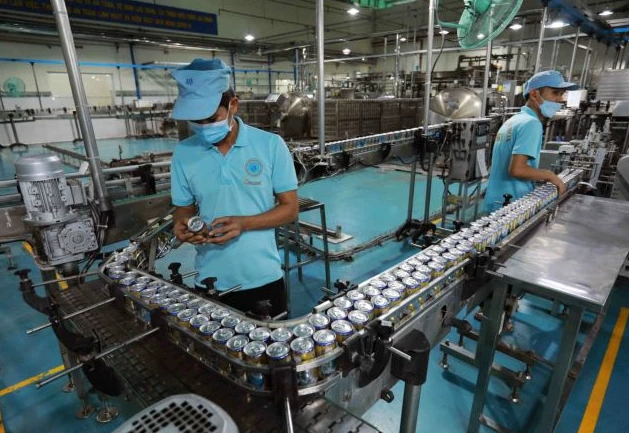 Some Vietnamese businesses have shifted their focus to penetrate neighbouring markets due to logistics convenience and concerns about shipping tensions elsewhere.
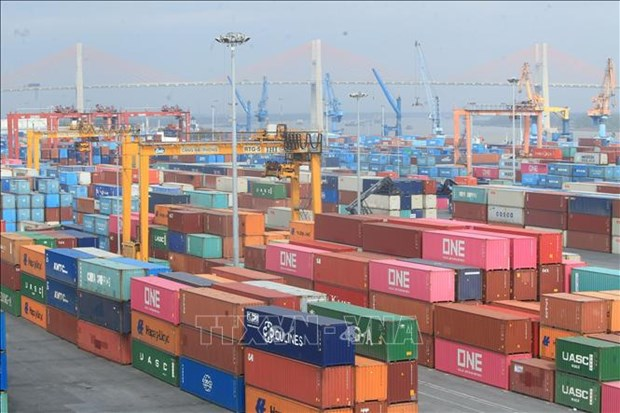 After enjoying trade surpluses for the past consecutive 23 months, Vietnam slipped into an import surplus in May 2024, sparking concerns about the health of the economy, but experts say it is not really a worrying sign.















| The site is done with the technical support of the project BWTO |