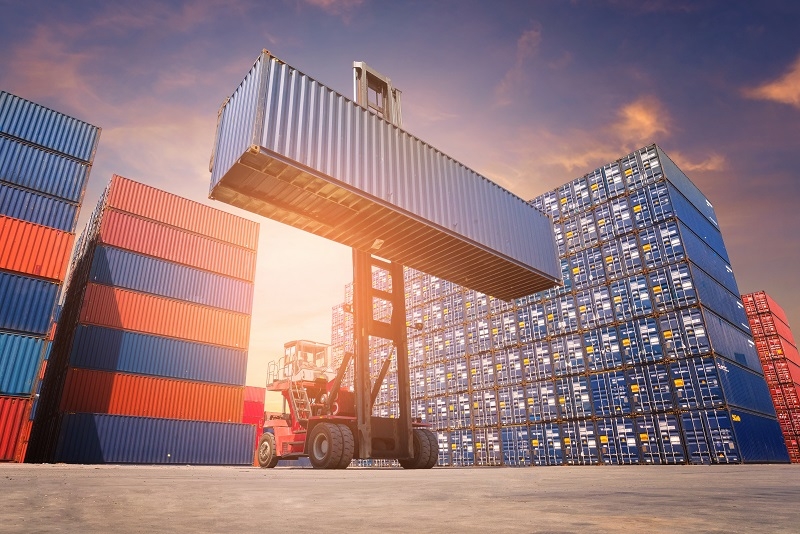
Exporters are taking advantage of incentives from the EU-Vietnam Free Trade Agreement (EVFTA). However, there remain many issues to be addressed to boost sustainable exports to the EU.
The EU-Vietnam Free Trade Agreement is giving a boost to the European dairy industry to penetrate deeper into the promising Vietnamese market.

For many years, Japan has always been in the group of four largest trading partners of Vietnam (along with China, the US and South Korea). The trade balance between the two sides has always been kept at an equilibrium.
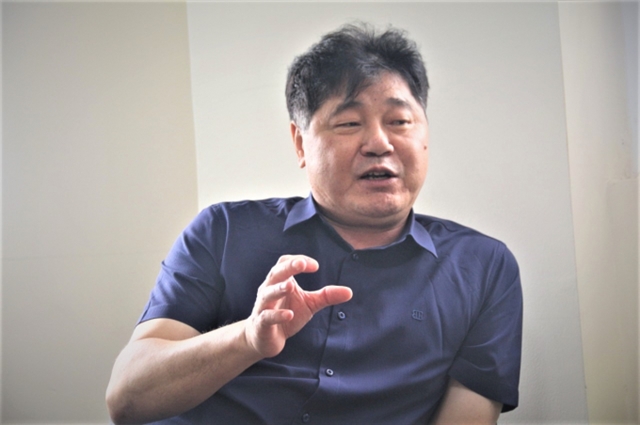
The Europe-Việt Nam Free Trade Agreement (EVFTA) is an opportunity to harness the potential of Việt Nam’s rice exports to high-quality markets and a chance for the country to elevate its rice brand. However, Vietnamese businesses face many challenges to meet EU standards, especially food quality, hygiene and safety and the traceability of rice seeds. Director of the National Agricultural Extension Centre Lê Quốc Thanh talks with the Vietnam News Agency about this issue.
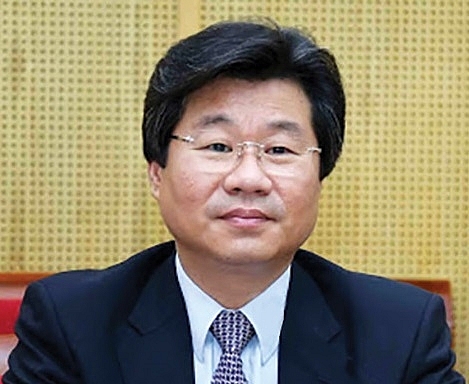
A particularly harsh 2020 has nevertheless put Vietnam in a strong position to attract foreign investment. Do Nhat Hoang, director general of the Foreign Investment Agency, discusses with VIR’s Nguyen Huong what makes the country the target of so much affection.

The trend of increasingly diversifying supplies, avoiding dependence on a few markets of the Americas has opened up many opportunities for Vietnamese products to increase exports. Since the beginning of the year, despite the Covid-19 pandemic, the export of goods to the Americas has recorded positive growth.

During a long time of development, Vietnam's supporting industry (SI) has been associated with the image of a weak team of businesses at the request of multinational corporations. Investing strongly in the downstream industry, especially creating a number of leading regional corporations, is considered a viable direction to help this industry change.

Vietnamese businesses could increase exports to India by $633 million annually, the Standard Chartered Trade Opportunity Report has revealed. The study also found that Indian exporters could boost trade with Vietnam by an estimated $475 million, bringing the bilateral trade opportunity to $1.1 billion.
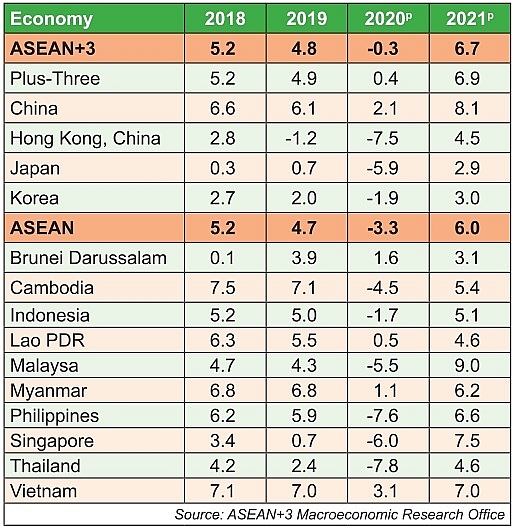
Vietnam’s fourthquarter economic outlook is brighter on the back of a rise in domestic consumption and public investment.
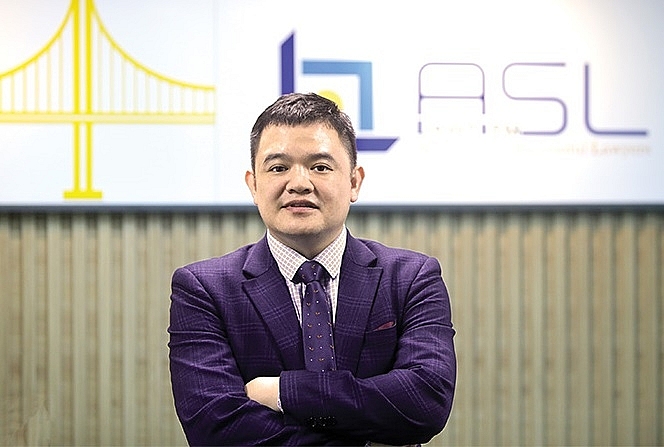
The world has been heavily affected during the COVID-19 pandemic since the beginning of the year, which has caused a serious decline in economies globally. However, due to the pandemic being under good control in many ASEAN member states, these economies are on the way to recovery and is one of the key points why capital inflows are being attracted away from China.
| The site is done with the technical support of the project BWTO |