
State-owned enterprises present a dilemma for Vietnam. There is a pressing need to reform the businesses, as the country is set to open up its market under the 12-nation Trans-Pacific Partnership trade deal. At the same time, the government is reluctant to lose its cash cows.
Either way, the government cannot afford to sit on its hands.
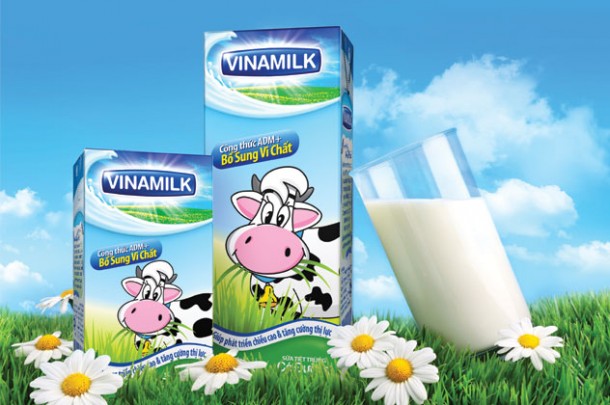
Last October, the government published a list of 10 major state-owned companies and said it would part with all of its shares in them. The list included Vietnam Dairy Products (Vinamilk), the country's largest dairy producer, and Baominh Insurance. Recently, however, a revised list emerged with only two of the companies named as candidates for share sales this year. Vinamilk and Baominh were excluded, dashing investor hopes.
At its shareholders meeting in late May, Vinamilk adopted a clause allowing 100% foreign ownership. This was a first for a state-owned Vietnamese company. In practice, though, full ownership will only be possible if State Capital Investment -- a government agency that owns a majority 45% stake -- gives up its shares. The agency agreed to the clause, raising expectations that the government was about to let go of those shares.
One might think the government would be eager to make a tidy profit from its Vinamilk holdings. Weak crude oil prices have squeezed income from the gasoline tax, and free trade pacts -- including the formation of the ASEAN Economic Community at the end of last year -- have reduced tariffs. By selling its stake in the dairy company, the government would pocket an estimated 55 trillion dong ($2.46 billion).
So why are the authorities holding back? An official at a Japanese brokerage said they "don't want to kill the goose that lays the golden egg." Others speculate that the government is waiting for the share price to climb higher.
Vinamilk, which effectively pioneered the country's dairy industry, logged a pretax profit of 9.36 trillion dong last year, on sales of 40.2 trillion dong. The profit was up 16-fold from 2005, while the sales increased sevenfold. Over the course of the decade, the company's dividend payout ratio rose from 17% to 60%.
Parting with the shares would boost the state coffers, but it would also strip away dividend income.
Cocooned companies
Vietnam's state enterprise reform has yet to live up to the hype. A government plan calls for having the companies issue shares and team up with foreign partners. The companies are to be floated and the government will release all outstanding shares it owns.
Source : http://asia.nikkei.com
Keyword : For Vietnam, and its state enterprises, something has to give.