The question of how to help Vietnamese footwear enterprises fully grasp the market situation, trends, and opportunities of promoting footwear exports to the United States during and after the novel coronavirus (COVID-19) epidemic was a key talking point during a recent online conference held in Washington DC.
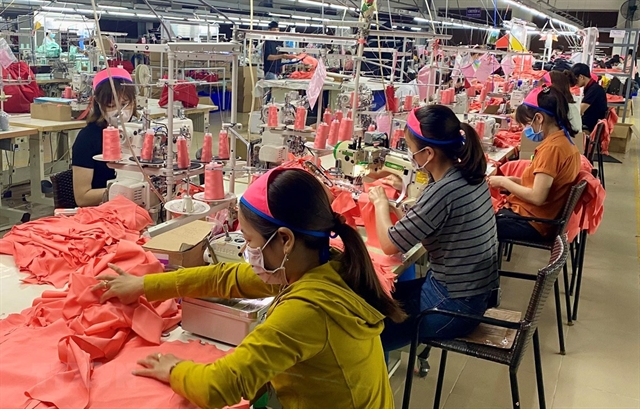
Việt Nam's garment and textile exports in the first four months fell 10 per cent year-on-year to US$10.63 billion and could fall much further as buyers cancelled orders due to COVID-19, according to the Việt Nam Textile and Apparel Association (Vitas).

The European Union-Vietnam Free Trade Agreement (EVFTA) is poised to offer a wealth of opportunities to boost the export of Vietnam’s agricultural and aquatic products once it comes into full effect, according to the Ministry of Industry and Trade.
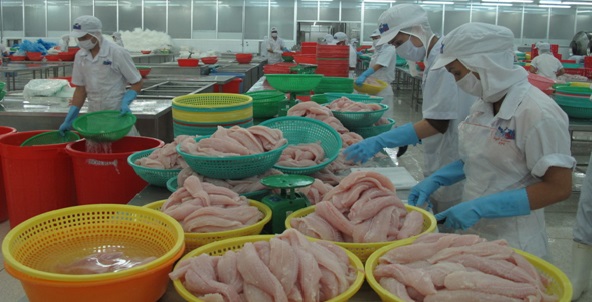
The Import and Export Department under the Ministry of Industry and Trade has set up different working groups to implement the the EU-Việt Nam Free Trade Agreement (EVFTA).
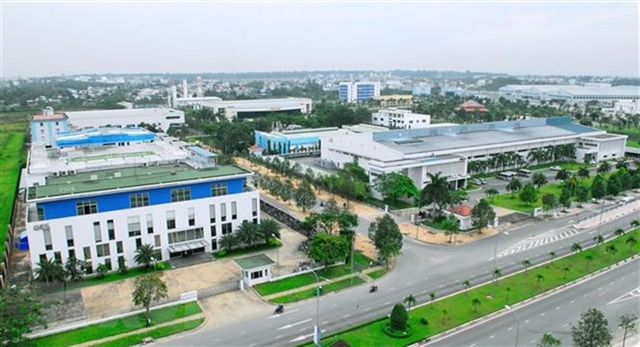
Việt Nam has some great advantages while competing with regional countries in attracting capital flows moving out of China after the COVID-19 pandemic, experts have said.

Up to 99% of tariff lines with partner countries are poised to be eliminated over the course of the 10-year roadmap set out in new-generation trade pacts such as the EU-Vietnam Free Trade Agreement (EVFTA) and the Comprehensive and Progressive Agreement for Trans-Pacific Partnership (CPTPP), according to the Ministry of Industry and Trade.
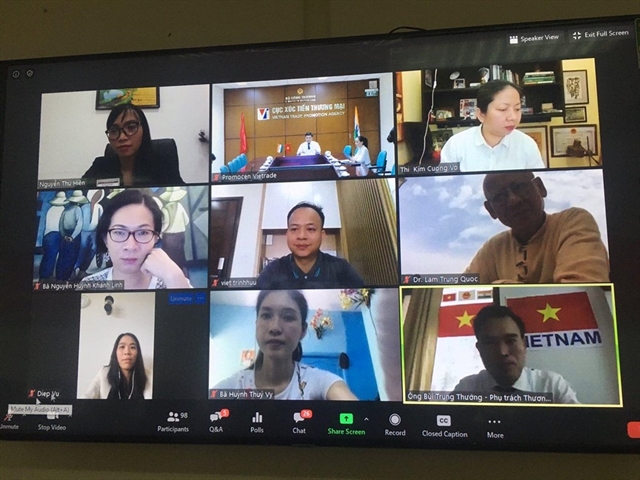
Việt Nam has a lot of potential to export goods to India, one of the most populous countries in the world with nearly 1.4 billion people.

Vice President Đặng Thị Ngọc Thịnh said the EU- Vietnam Free Trade Agreement (EVFTA) was a comprehensive and fair deal that represented both Việt Nam and the EU's rights and interests at a National Assembly meeting on Wednesday in Hà Nội.

The Ministry of Industry and Trade issued Circular 09/2020/TT-BCT stipulating the roadmap for applying import – export border gate for temporary import and re-export goods, transshipment and depositing in bonded warehouses.

The General Department of Customs has required customs departments in provinces and cities to intensify review and inspection for imports of silament and polyester filament yarns originating from China, India and Indonesia.














| The site is done with the technical support of the project BWTO |