Trade and customs clearance for agricultural products at the border with China are slowly returning to normal due to strict regulations to prevent a further outbreak of COVID-19.

Following the signing of the Comprehensive and Progressive Agreement for Trans Pacific Partnership CPTPP Vietnamese firms are keen to utilise the trade pact to make inroads into Canada and Mexico two members who had yet to sign a bilateral trade agreement with Vietnam.

Việt Nam is increasing the application of trade defence instruments to protect the legitimate rights of domestic producers as the country integrates rapidly into the global economy.

With Việt Nam’s main agro-forestry and fisheries export markets after China such as the US and Europe being hit by the new coronavirus (Covid-19) pandemic, Vietnamese exporters are suffering.

The Ministry of Industry and Trade (MoIT) has proposed Prime Minister Nguyễn Xuân Phúc permit customs clearance of goods through all secondary border gates in the northern province of Lạng Sơn, which is on the border with China.

Many businesses are struggling from a lack of raw materials and falling exports due to the impacts of the global pandemic COVID-19. The Ministry of Industry and Trade said the pandemic had had a strong impact on industrial production.

Since the EVTFA was approved, experts have been analysing the opportunities for Vietnam to penetrate deeper into the high-value foreign markets. However, the implementation of the deal also poses many challenges to Vietnamese agricultural products.

Amid the information that the EU and the US shut down borders to immigration and medical quarantine and will also halt the import and export of goods, the Ministry of Industry and Trade (MoIT) on March 21 informed that the EU and the US do not apply any measures to restrict the import of goods from Vietnam.

Vietnam achieved a trade surplus of approximately US$1 billion in the first half of March, with total import-export turnover reaching over US$21.47 billion despite the impact caused by the novel coronavirus (COVID-19), according to the General Department of Vietnam Customs.
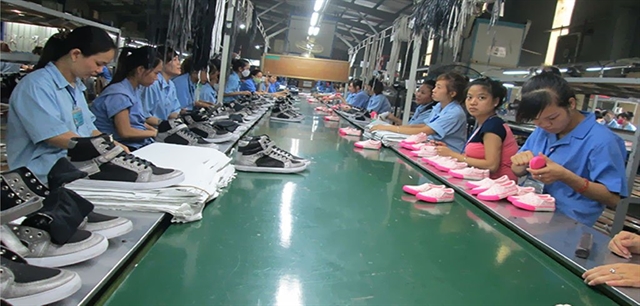
While most textile and footwear enterprises in Việt Nam struggled to find alternative sources of raw materials to maintain production, some with local sources have survived during the COVID-19 pandemic.















| The site is done with the technical support of the project BWTO |