Whilst the EU-Vietnam Free Trade Agreement (EVFTA) is anticipated to offer a wealth of opportunities through an expansion of export markets and greater job creation, the quality of human resources must improve in order to meet stringent requirements regarding the overall quality of goods and services, insiders state.
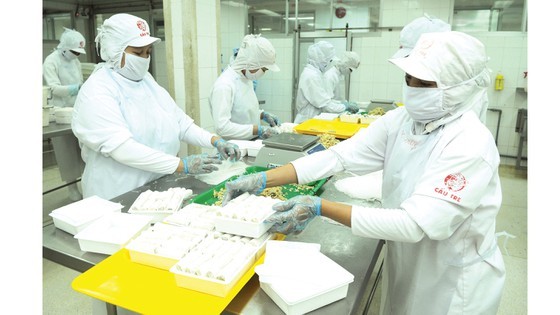
According to the General Statistics Office of Vietnam, in the first four months of this year, there were 2,523 times of capital contribution and purchase of shares of foreign investors with a total value of nearly US$2 billion, an increase of 52.6 percent over the same period last year.

Việt Nam stands ready to cooperate with countries, including Canada, in recovering the global trade and supply chain, Deputy Prime Minister and Foreign Minister Phạm Bình Minh told Canadian Foreign Minister Francois-Philippe Champagne during their phone talks on Thursday.

Việt Nam will strengthen the removal and simplification of business regulations in the next five-year period to create favourable conditions for enterprises and promote their development as a driver for socio-economic growth.
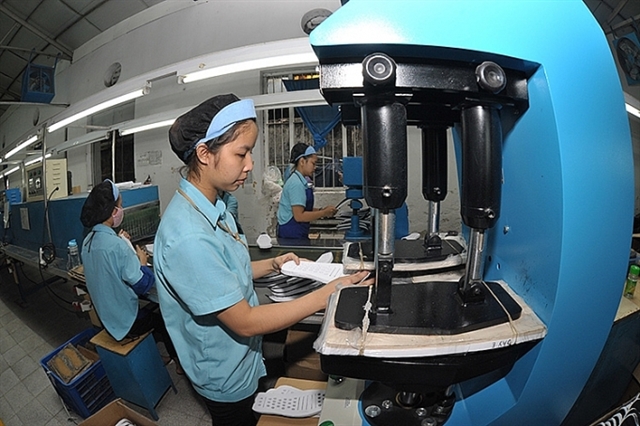
To develop the support industry for the leather and footwear sector, the State should have policies to encourage the development of new materials, according to the Việt Nam Leather and Footwear Association (Lefaso).

Strengthening the application of trade defence instruments would be necessary for Việt Nam, which was among countries with the highest economic openness level, according to the Ministry of Industry and Trade.

Việt Nam's support industry is struggling to attract foreign investment as big companies look for alternative options to China during the COVID-19 pandemic.
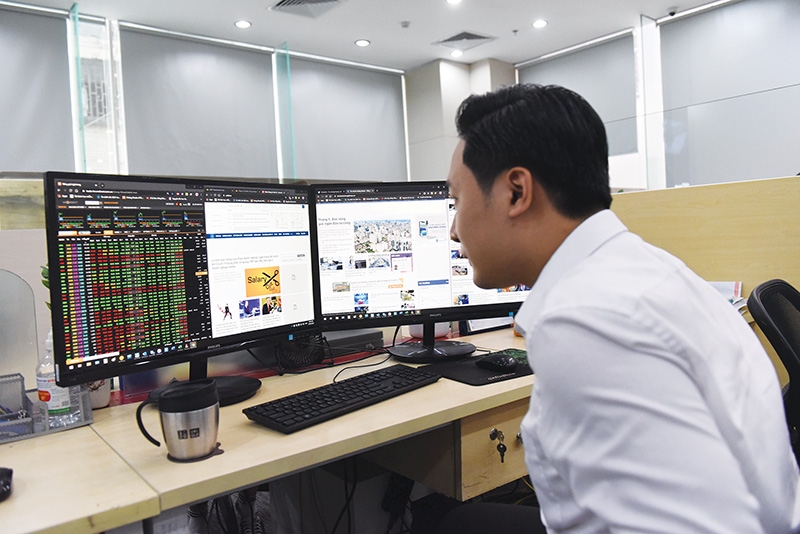
Instead of adopting the age-old “sell in May and go away” strategy, and focusing on months with traditionally stronger market growth, investors now could be more bullish about a stock rally, buoyed by optimism about a gradual reopening of businesses.
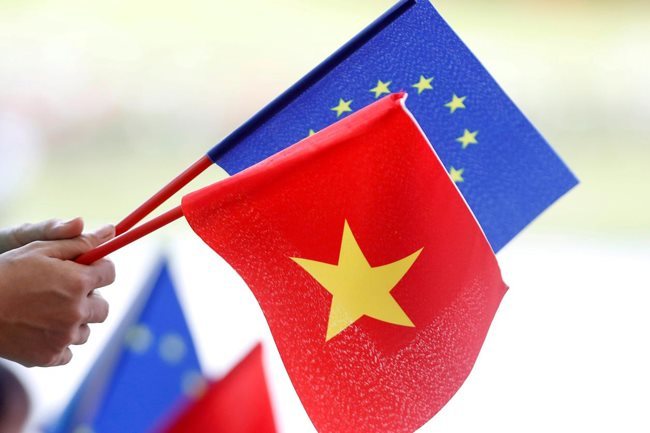
Vietnamese lawmakers are scheduled to consider the ratification of the European Union – Vietnam free trade agreement (EVFTA) on May 20, the first day of the upcoming session of the current National Assembly.

The policy to improve the localization rate of domestically manufactured cars has had a positive impact on domestic manufacturing and assembly activities, however it no longer maintains advantages due to the sharp increase in the volume of imported CBU cars from the beginning of 2019.















| The site is done with the technical support of the project BWTO |