 Vietnam needs to have five million companies, ten times the current number, for there to be a breakthrough in economic growth. In recent years, the country has seen a wave of emerging startups
 According to the Vietnam Textile and Apparel Association (VITAS)’s figure, turnover of textile and garment reached US$27 billion in 2015 yet the value of import was quite great and the sector still imported much Chinese commodities.
 Nguyễn Anh Tuấn, the director general of the Institute of Policy and Strategy for Agriculture and Rural Development, told Nông thôn Ngày nay (Countryside Today) newspaper that a target growth rate of 2.5-3 percent over the next five years is feasible.
 The Ministry of Health (MoH) has released a list of food exempted from safety inspections when imported.
 The Ministry of Finance has completed tax tables on preferential import tariffs to prepare for Vietnam’s commitments in the free trade agreement (FTA) between Vietnam and the Eurasian Economic Union (EAEU).
 With its population of over 90 million, Viet Nam is considered a promising market for Japanese retailers, and firms like 7-Eleven, FamilyMart, Lawson and Ministop have all revealed plans to either enter or expand their business in the country.
 Despite difficulties, Vietnam’s rice exports have remained stable over the last few years thanks to low prices.
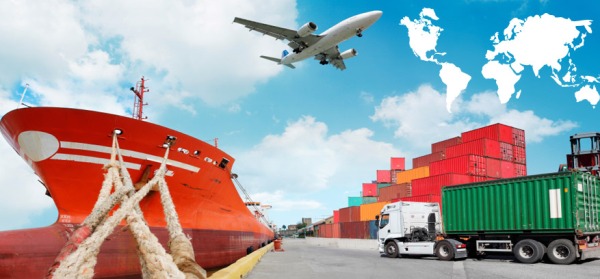 The southern province of Binh Duong enjoyed a trade surplus of more than 1.2 billion USD in the first quarter, with export turnover of over 5.6 billion USD and import value of nearly 4.4 billion USD.
 Statistics from the Foreign Investment Agency (FIA) revealed that South Korean investors took the lead with US$888.6 million.
 Việt Nam’s foreign reserves have hit a record high of US$40 billion, according to a source from the State Bank of Việt Nam (SBV).

















| The site is done with the technical support of the project BWTO |