
HSBC explained in a report released on August 10 that the agreement in principle must now be fleshed out in detail by the negotiating teams, who will “settle some remaining technical issues and finalize the legal text.”
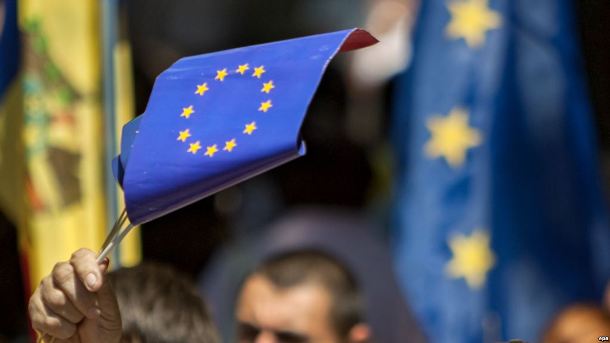
The European Commission (EC) expects this process to be completed by the end of 2015. Once the final text is agreed, the parties concerned will then proceed to ratify the agreement and only then can the agreement enter into force.
In the case of the EU, the ratification process may take a year or more depending on the speed of review by both the Council and European Parliament and the nature of the required consultation with EU member states.
HSBC said in the report that the EC on August 4 issued a press release stating that the EU and Vietnam agreed in principle on the terms of the FTA and calling it “the most ambitious and comprehensive FTA that the EU has ever concluded with a developing country.”
The deal with Vietnam is described as “a further building block towards the EU’s ultimate objective of comprehensive EU-ASEAN FTA.” In addition to eliminating EU duties over 7-year period and addressing related merchandise trade issues, the agreement also covers investment and services.
Vietnam is taking steps to advance in its economic transition. The country is getting a makeover to prepare for more business with the rest of the world, especially the EU and the U.S, which are its largest export markets. Vietnam’s gross domestic product (GDP) per capita last year was US$2,000, up from US$400 in 2000.
Meanwhile, the EU has always been a vital partner in Vietnam’s ambition to become a fully integrated member of the international economic system.
The flourishing of trade between the EU and Vietnam reflects their complementary trade mix. Within the ASEAN group as well as China, Vietnam has the most complementary trade with the EU’s trade mix, HSBC said.
In other words, Vietnam’s comparative advantage – labor-intensive manufacturing – does not clash with the EU’s comparative advantage in capital-intensive and high-skill manufacturing. As such, Vietnam imports high-tech machinery and appliances as well as pharmaceutical products from the EU.
HSBC projected that the EU will over time reduce the gap with China as a Vietnamese trade partner.
“We believe that some of the most substantial aspects of the agreement concern the liberalization of Vietnamese public contracts to EU companies and leveling the playing field between State-owned enterprises and private firms.
“Also of note is the opening up of service sectors including banking, environmental services, insurance, maritime transport and postal and courier services. We believe that these will bring about positive changes to the investment and service landscape in Vietnam,” HSBC said.
Source: http://www.vietmaz.com/
Key words: HSBC, EU ratification, FTA, with Vietnam, could take a year