 Multinational technology groups are restructuring their production strategies, giving Vietnam a reason to hope that it would be their next destination. But Myanmar and Indonesia, which also have low labour costs, are scrambling to attract the same investors as well.
 China continued to be the largest importer of Vietnamese coal in 2014 consuming 56.9 percent of the total export volume, said Vietnam Industry and Trade Information Center (VITIC) under the Ministry of Industry and trade on Thursday.
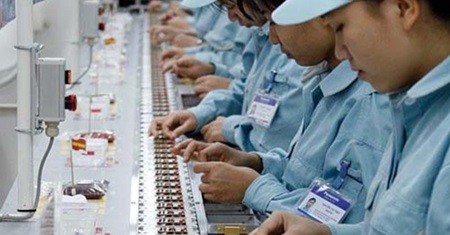 About 66 per cent of the 458 Japanese firms based in Viet Nam, plan to expand their business during the next one or two years, a recent survey pointed out.
 Several Vietnamese companies have received full orders for textile products by the end of the first quarter of this year, according to the Ministry of Industry and Trade.
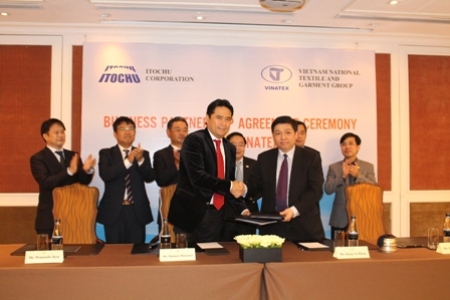 Japanese trading firm Itochu and the Viet Nam National Textile and Garment Group (Vinatex) have signed a framework agreement to support several projects in dyeing and materials production in Viet Nam.
 A successful 2014 and the promise of bigger export opportunities has given the domestic leather and footwear industry the confidence to set a US$14 billion export target for this year.
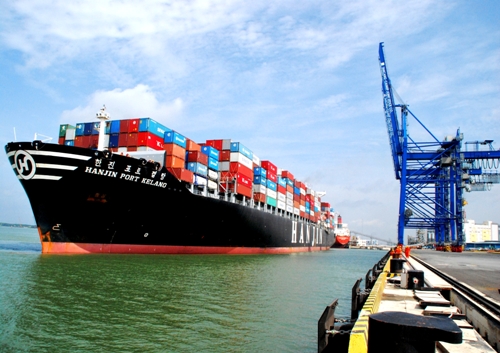 Deputy Prime Minister Hoang Trung Hai called upon relevant Ministries and agencies to rapidly implement the action plan for the Vietnam Industrialisation Strategy (VIS), a part of the Vietnam-Japan cooperation framework through 2020.
 Among the ASEAN economies, Vietnam is one to watch in the near term. Despite global economic uncertainty, foreign investors remain optimistic about the ASEAN region's prospects; and within ASEAN, Vietnam has proven an attractive destination for direct investment (FDI) in recent years because of its strong growth and young population. As more foreign manufacturers move their manufacturing hubs to Vietnam because of affordable labour costs compared to Thailand or China, this is a window of opportunity for the country to attract a bigger slice of the global manufacturing pie. To keep the momentum going, economic, banking and state-owned enterprise (SOE) reforms will be needed to instill greater confidence among both local and overseas investors.
 The EU-Vietnam Free Trade Agreement (FTA) is expected to be signed this year. Liliana Lizarazo Rodriguez, a free trade agreement specialist at Belgian law firm A-Law International and the firm's managing partner Patricia Leers look at the impact of the agreement on Vietnam's economy and business climate.
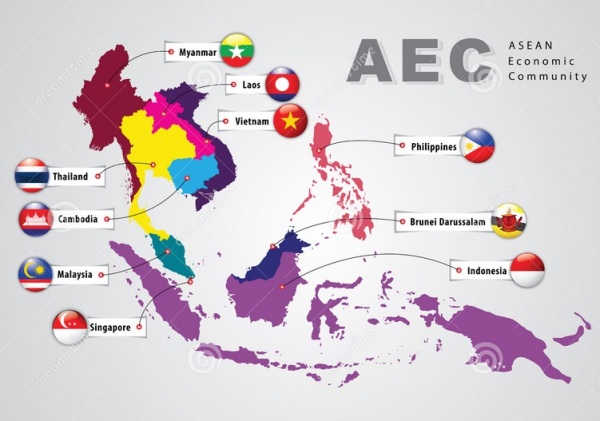 The Asean Economic Community (AEC) is drawing vast attention from regional businesses because of its potential in many aspects of the economy. Once established, AEC will create a huge attractive market; the population of ASEAN is more than 600 million people, 9 percent of the world population, and the grouping has a combined GDP of US$2.4 trillion, which is 3.1 percent of the world's GDP. In order to implement the AEC successfully, real risks and challenges need to be addressed and managed effectively.















| The site is done with the technical support of the project BWTO |