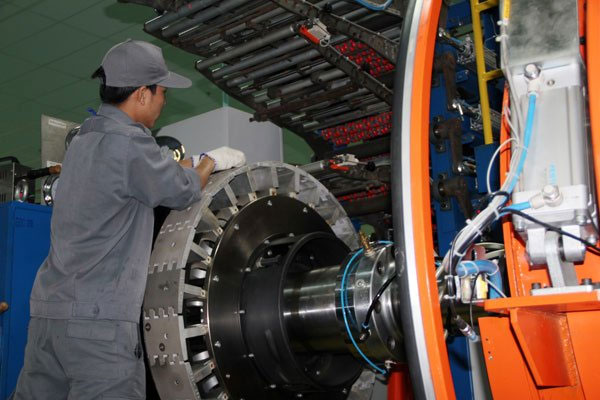
 86 percent of garment workers could lose their jobs in the coming decades, according to the International Labor Organization.
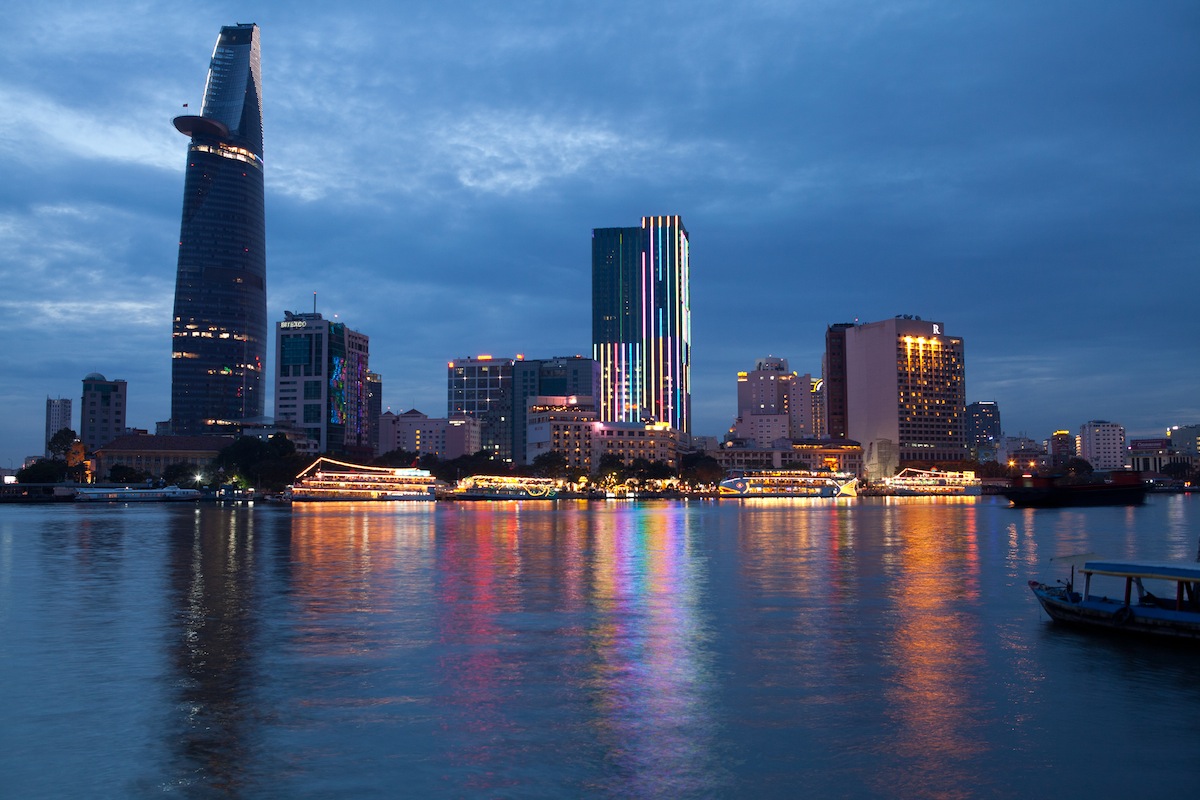 Further efforts to hasten economic restructuring and institutional reform will drive the Vietnamese economy in 2017, according to a report by a financial analysis group.
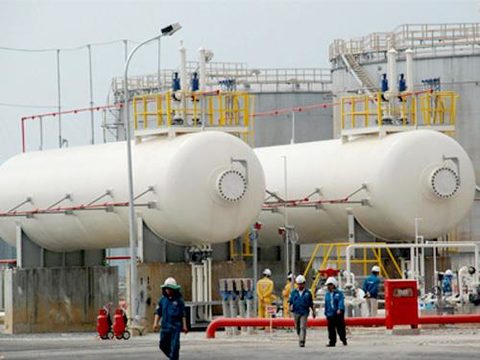 Sharply decreasing Liquid Natural Gas (LNG) output and increasing prices of new gas resources are forcing Viet Nam to look to increase LNG imports.
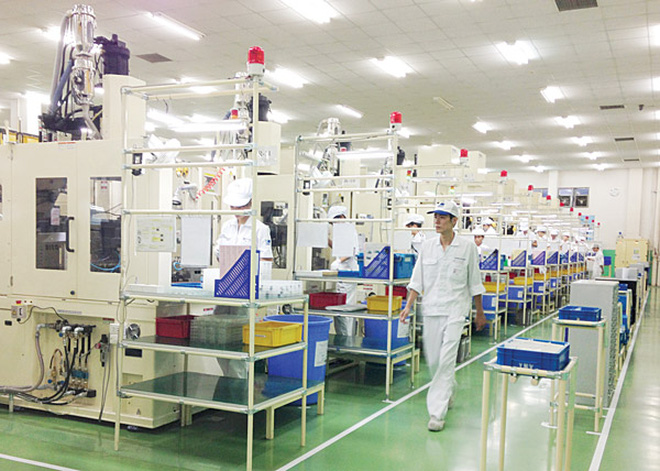 The latest report by the Foreign Investment Agency (FIA) shows that only $490 million worth of foreign direct investment was registered in November, the lowest level this year.
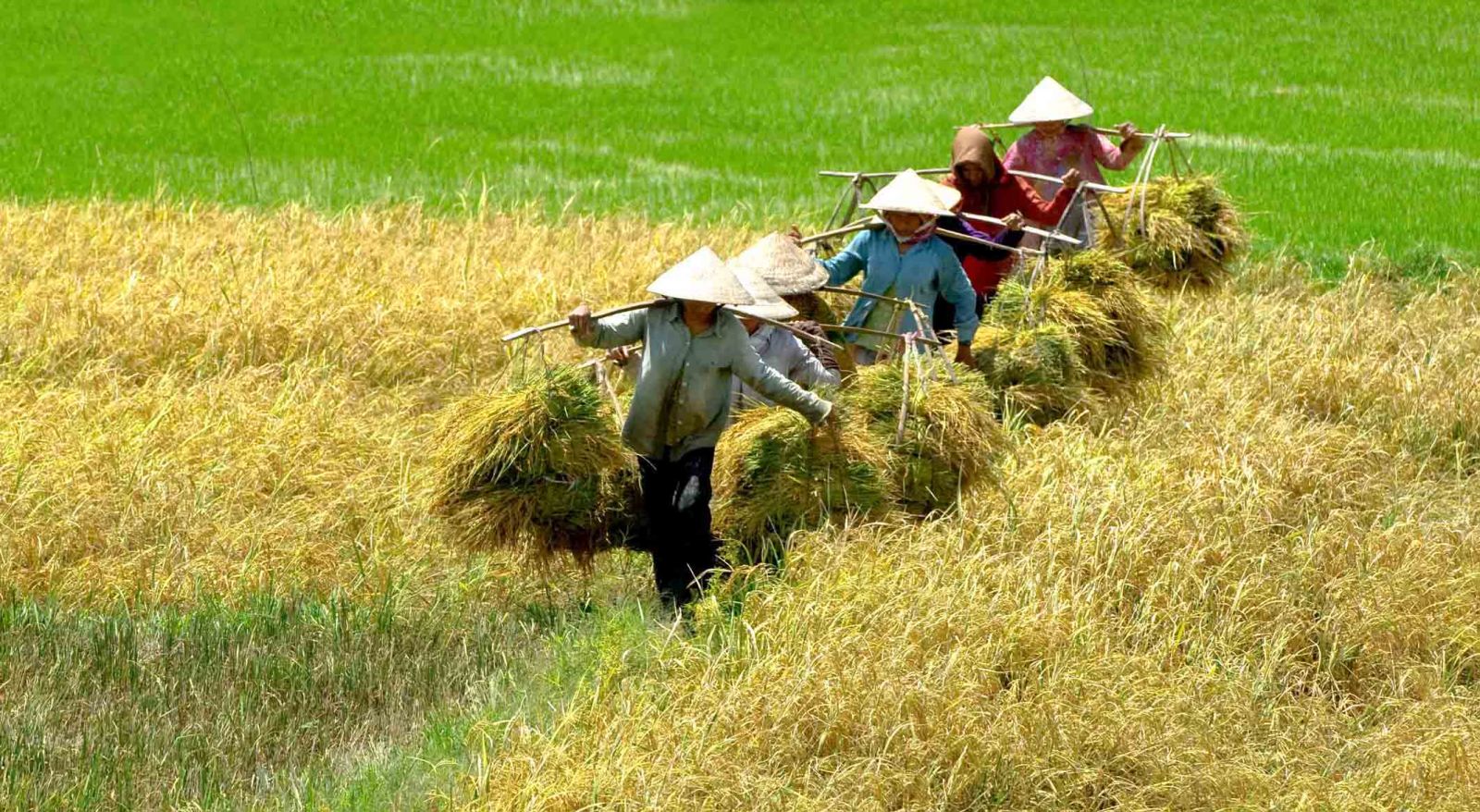 The country should halve its rice exports from the normal 7-8 million tonnes until 2020 because of difficulties exporters face and falling production due to climate change.
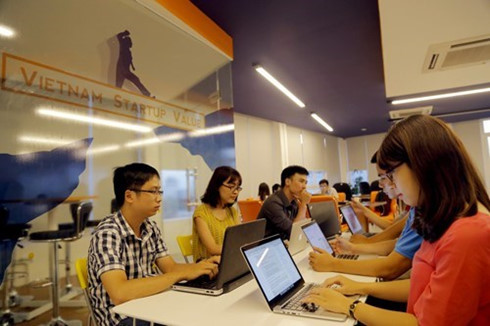 HCMC has launched a new US$45 million fund to create a start-up ecosystem that aims to provide entrepreneurs the chance to successfully grow their business.
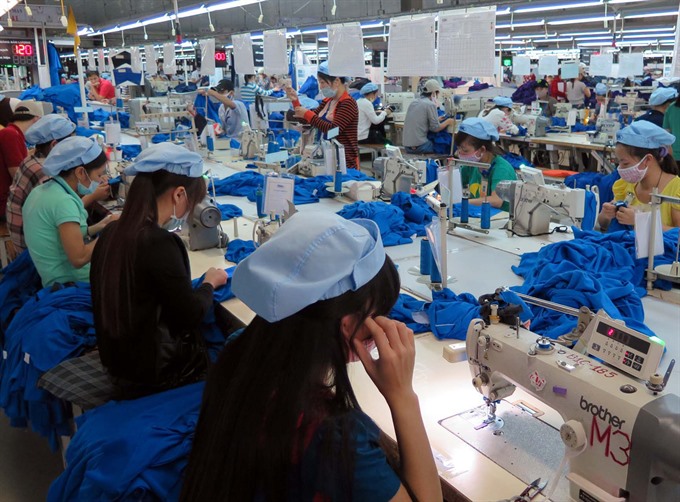 Việt Nam’s textile and garment exports this year are estimated to reach US$28.5 billion, meeting roughly 92 per cent of the set plan due to market difficulties.
 Policies related to credit guarantees need to be revised to improve the credit access of enterprises, especially small- and medium-sized enterprises (SMEs) and micro firms.
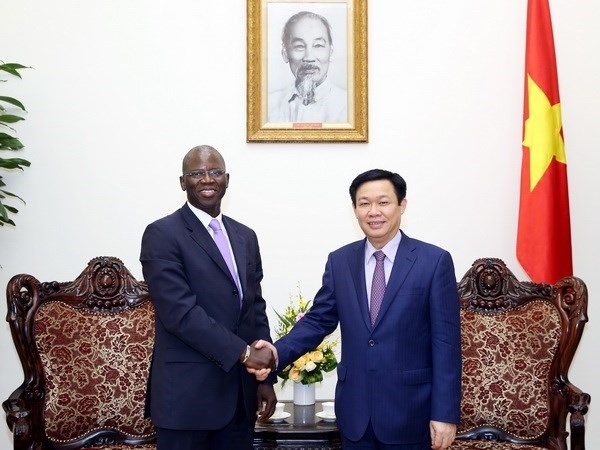 The World Bank (WB) is willing to assist Việt Nam in reforming SOEs, WB Country Director for Việt Nam Ousmane Dione told Deputy Prime Minister Vương Đình Huệ.
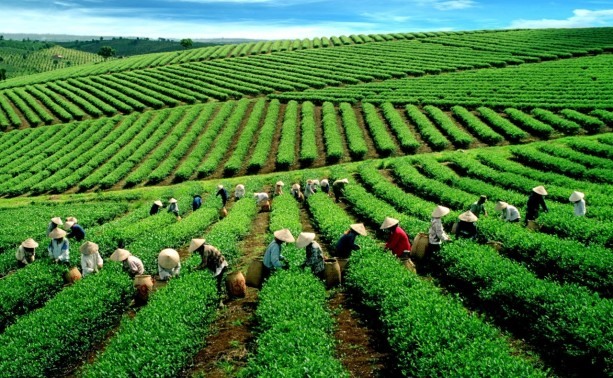 Tea exports in the past eleven months reached 118,000 tonnes, earning US$197 million, increasing 7.1 per cent in volume and 4.3 per cent in value compared to the same period last year.















| The site is done with the technical support of the project BWTO |