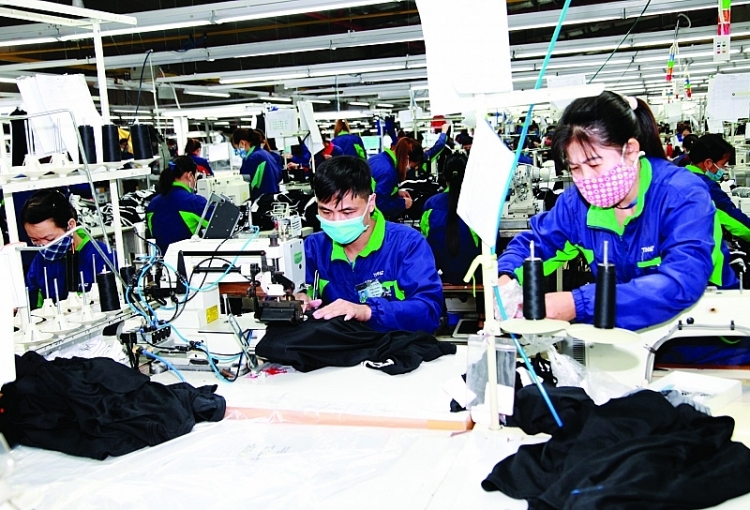
In order to narrow the gap between Vietnam and developed countries, besides maintaining a much higher export-to-GDP ratio than other countries, Vietnam needs to solve the problem of importing many high-quality input products for export.
Read more...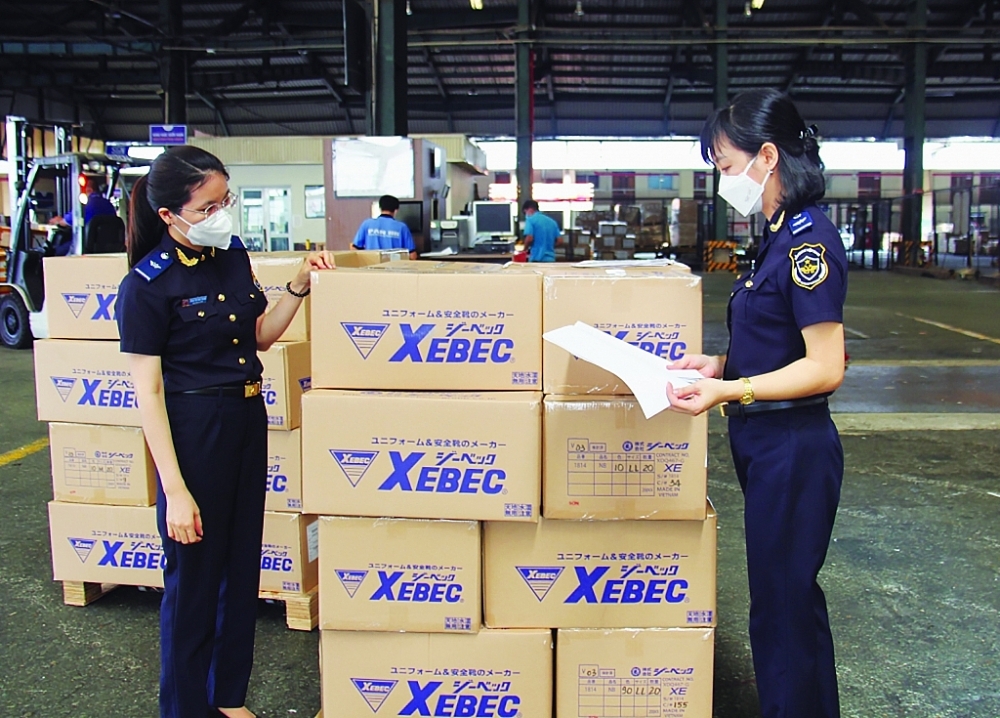
The conflict between Russia and Ukraine has lasted for more than two months and is ongoing, causing the import and export of goods to be interrupted. What should Vietnamese businesses do to overcome issues and avoid risks?
Read more...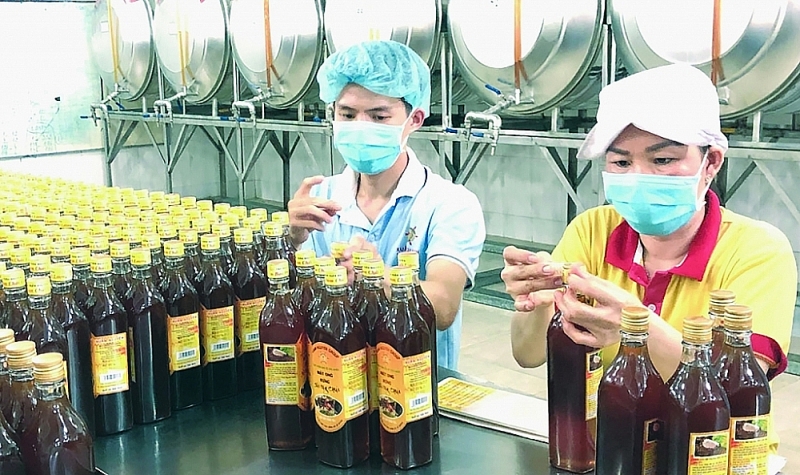
Although the anti-dumping duty (ADD) that is applied to Vietnamese honey exported to the US in the recent conclusion has been reduced many times compared to the preliminary conclusion, Vietnamese honey cannot compete with Indian honey in this market.
Read more...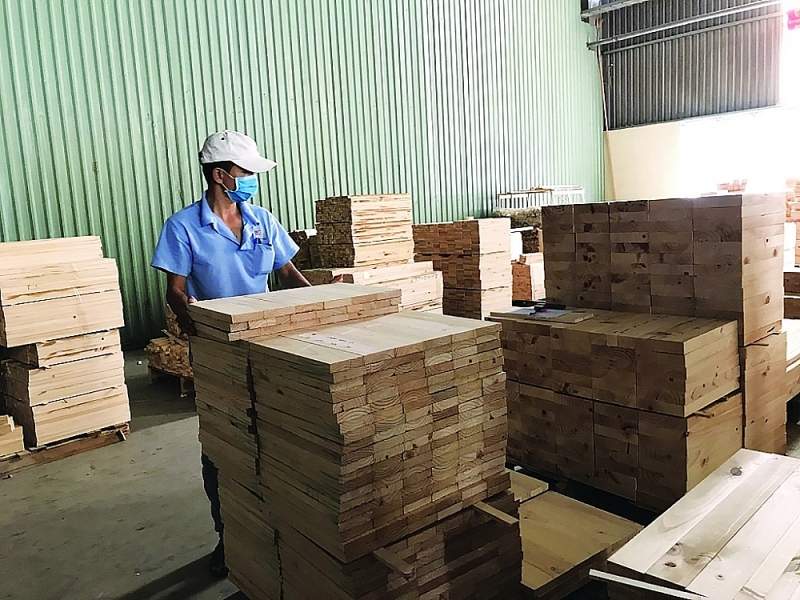
The high price of imported wood materials and the increase in freight rates have been putting great pressure on the wood processing and export industry. Promoting support for businesses and households to plant large timber forests is an important solution to help the whole industry be more proactive in raw materials, towards replacing imported wood sources in the near future.
Read more...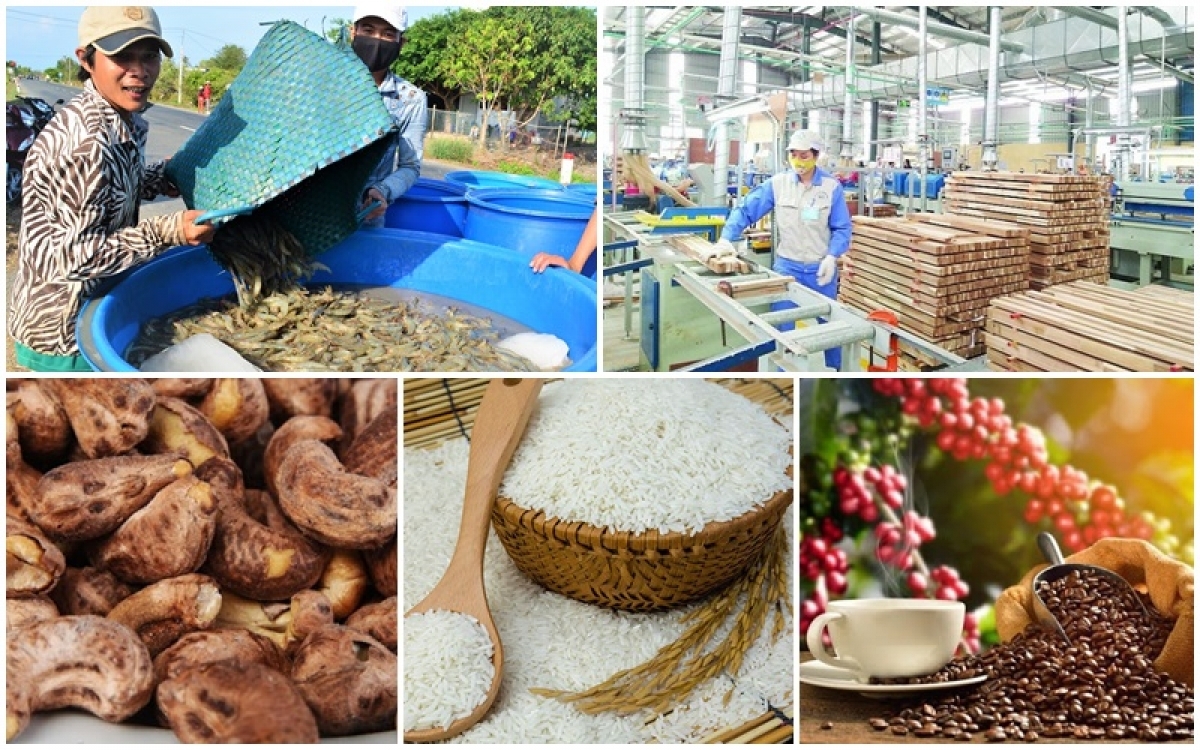
Standardisation of production represents the proper way to increase local export turnover of agricultural products to the United States, in which the nation raked in nearly US$3.5 billion in export turnover during the first half of this year, accounting for 27.1% of the market share.
Read more...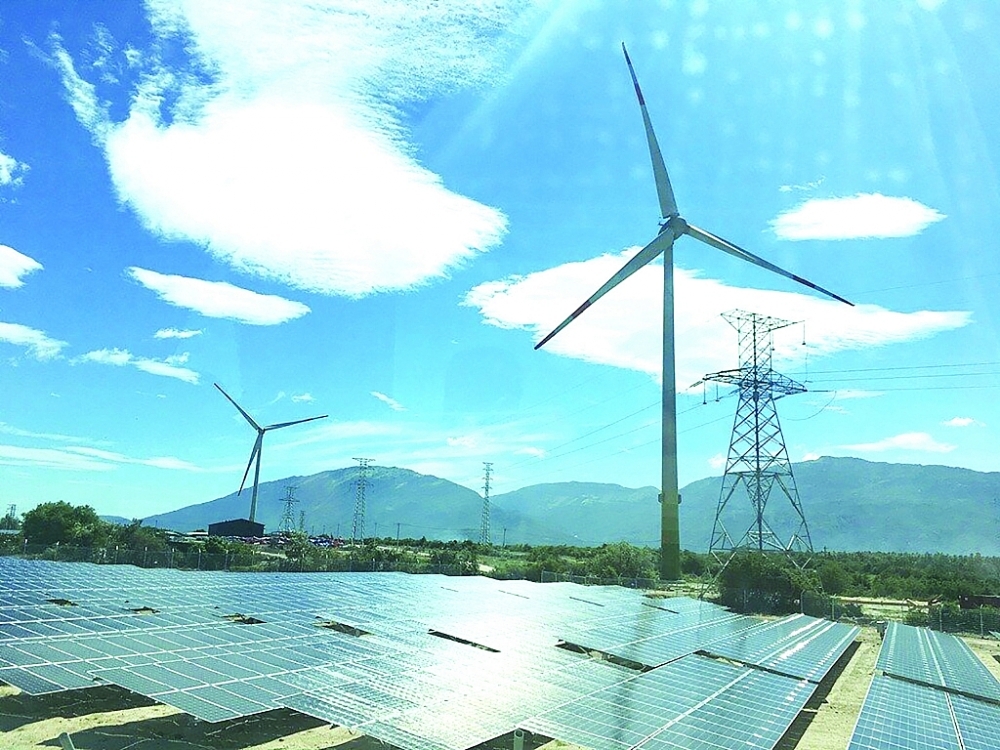
"Green competition" will be the new trend of global competition, and the rapid "greening" of manufacturing industries will help Vietnam seize opportunities and gain advantages.
Read more...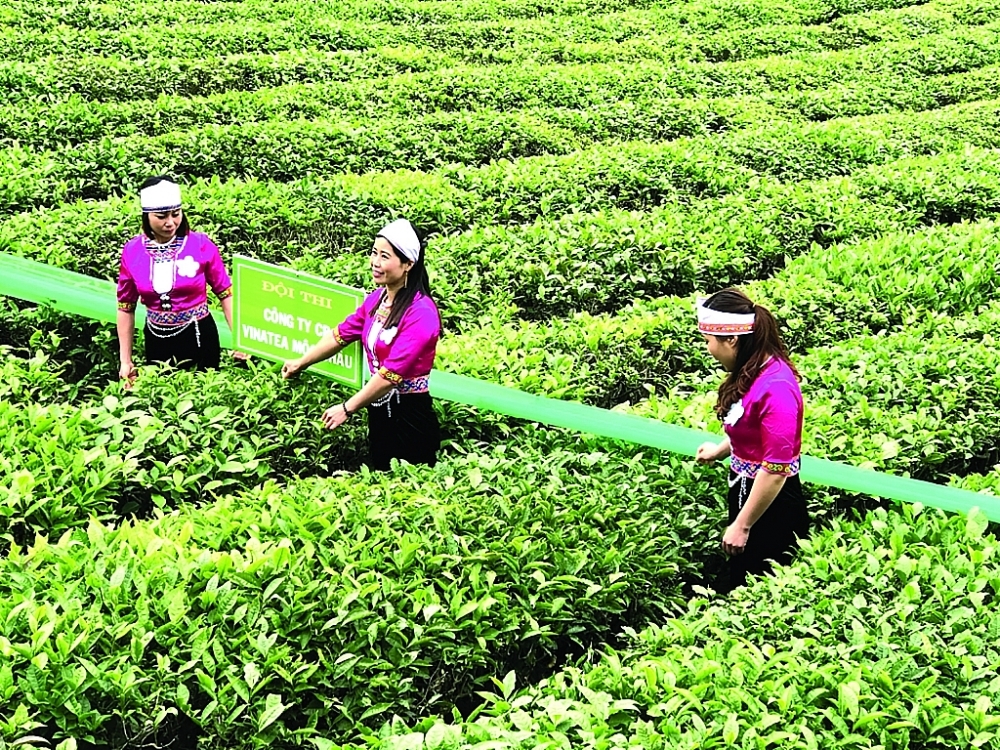
In recent years, the trade turnover between Vietnam and Iran has only stood at a modest level of over US$100 million.
Read more...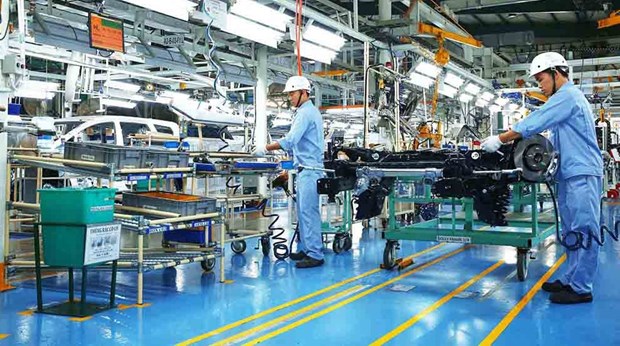
Vietnam is now on its way to becoming a new global manufacturing centre.
Read more...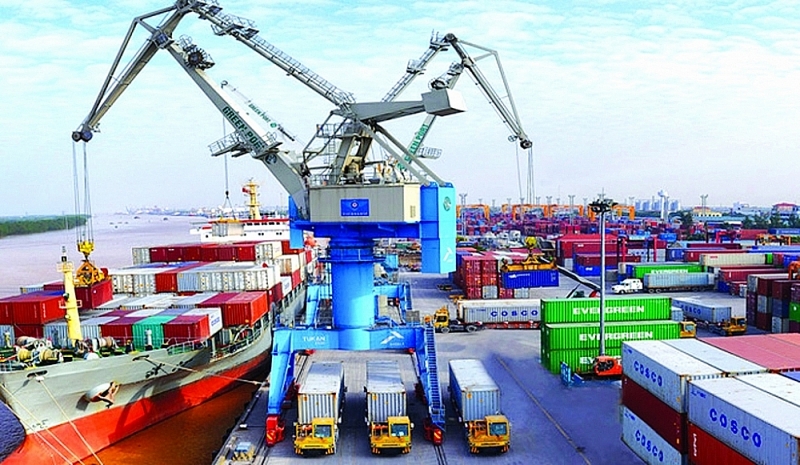
The Covid-19 pandemic, the conflict between Russia and Ukraine, and the increase in world oil prices make it difficult for enterprises to reduce the cost of import and export activities in recent years.
Read more...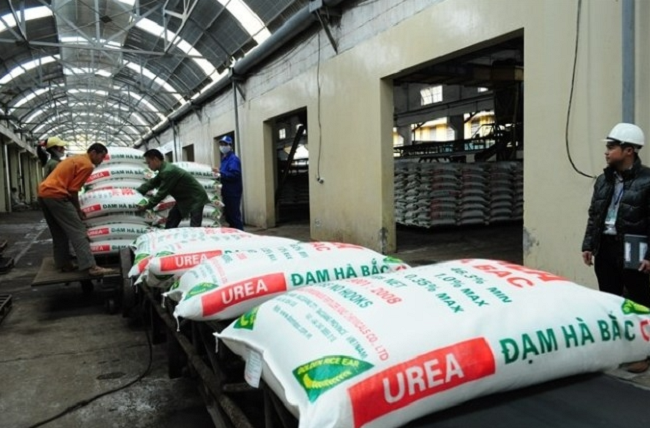
Acts that hinder competition in the fertilizer market, especially urea fertilizer, can have multi-dimensional impacts on many sectors of the economy. Many argue that it is necessary to develop policies related to monitoring the business activities of groups of manufacturing enterprises, preventing taking advantage of the market structure to distort competition in the market.
Read more...
















| The site is done with the technical support of the project BWTO |