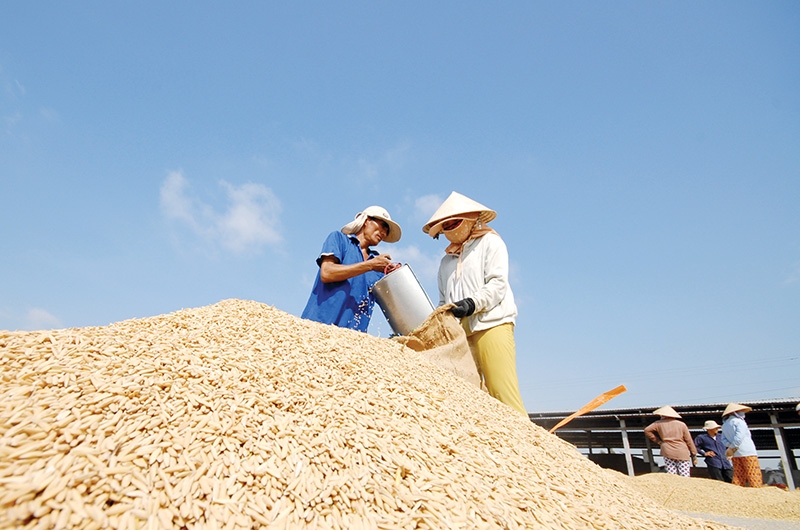
Vietnam’s rice processing and trading have overcome the difficulties caused by the ongoing pandemic to acquire the export turnover of over $3 billion in 2020, a record in the past nine years, with exporters remaining bullish over future prospects.
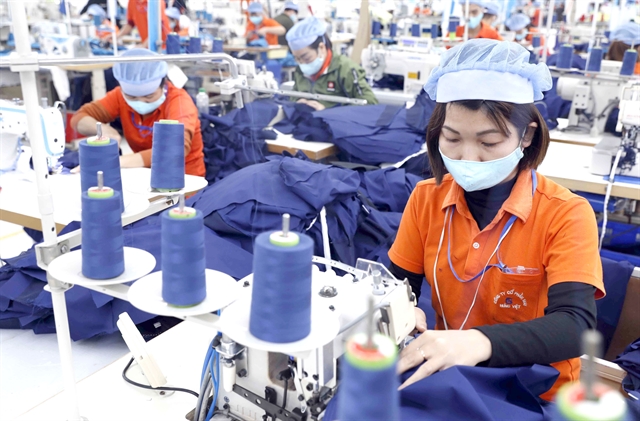
The labour market in the fourth quarter of 2020 showed many signs of improvement compared to the previous quarter, but many in Việt Nam still suffered from job or income losses, according to the General Statistics Office of Việt Nam (GSO).
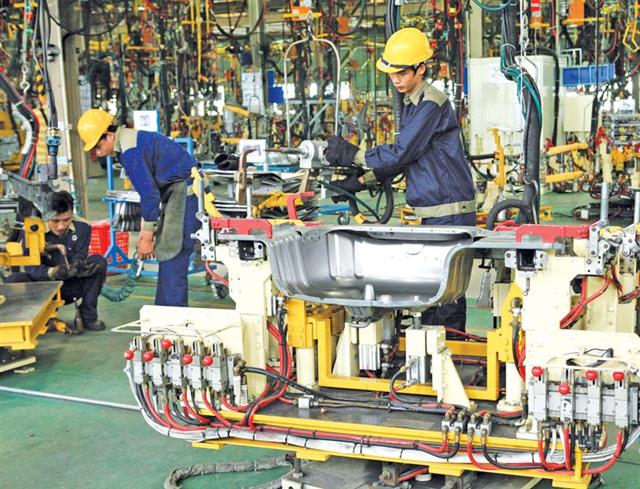
Vietnam’s development outlook is set to be formulated over the next few weeks when the 13th National Party Congress takes place in Hanoi, with the role of the private sector in the economy to be further enhanced, creating a fairer playing field for enterprises across all economic sectors.
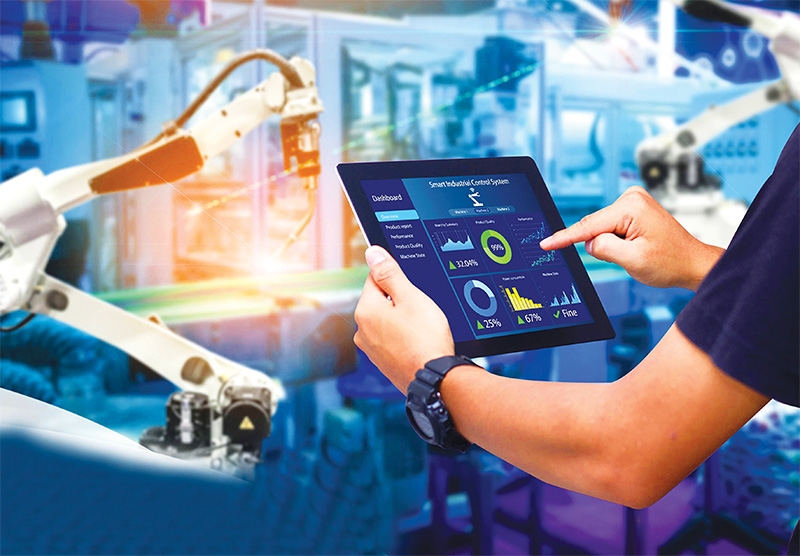
Enduring the hardest-ever period, international investors in Vietnam have been heading to technology-driven new business models during 2020 in a bid to weather the storm of COVID-19, expecting brighter prospects in the new year on the back of new motivations and plans.

In 2020, the implementation of free trade agreements (FTAs) has achieved many positive results, although the domestic economy still faces many challenges. Talking to a reporter of the Customs Newspaper, Nguyen Thi Thu Trang (photo), Director of the Centre for WTO and Integration, Vietnam Chamber of Commerce and Industry (VCCI) said that State agencies still have a lot of work. To effectively implement the FTA, businesses must also make their own efforts to improve their competitiveness with certainty so as not to lose on "homefield".
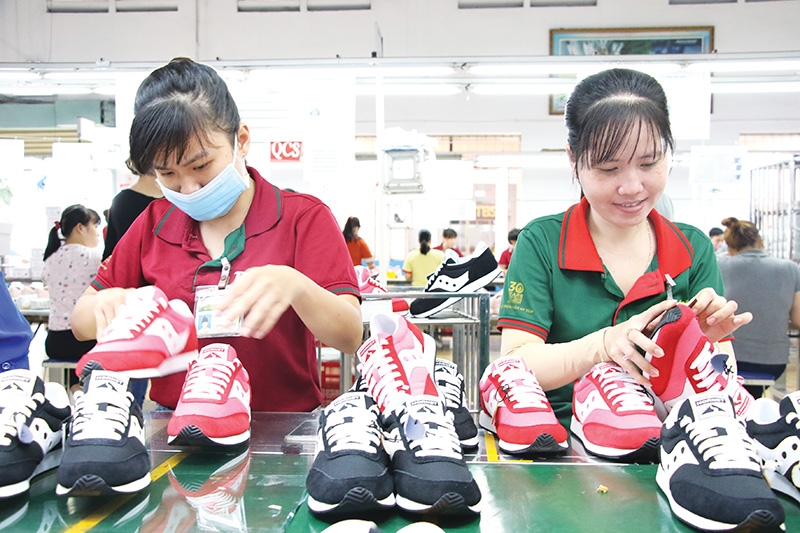
Vietnam remains one of the top 10 exporters of textiles and apparel. However, with the harsh impact of the pandemic on the industry and strict rules of origins following transnational trade agreements, the sector’s supply of raw materials faces a difficult start into the new year.
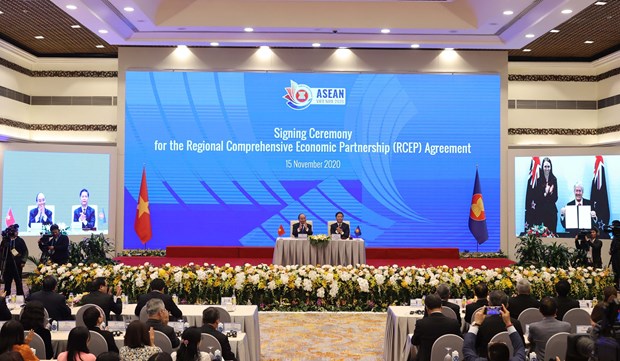
The recently-signed Regional Comprehensive Economic Partnership (RCEP) presents both opportunities and challenges to Vietnamese businesses, making prompt action crucial to address existing weaknesses and capitalise on deal-generated advantages.
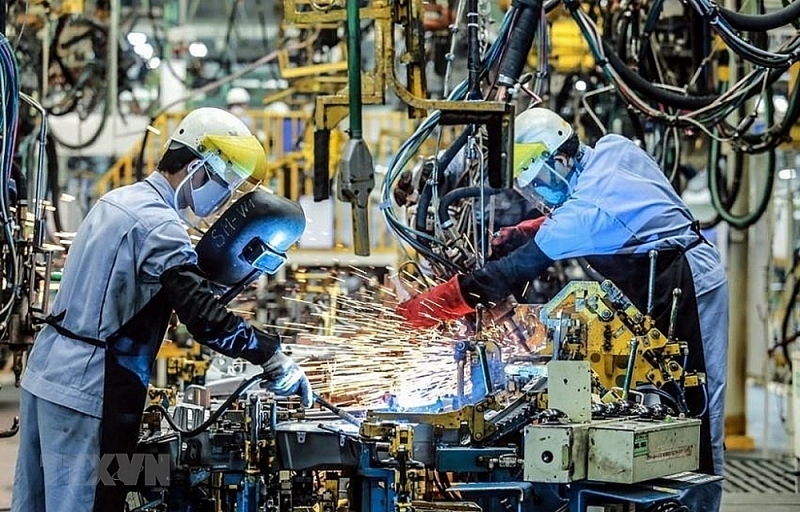
The post-Covid-19 period is a decisive opportunity for Vietnam to realize its aspirations to become a high-income country by 2045, and continue to strongly promote the process of economic restructuring and transformation of the growth model in order to completely overcome internal weaknesses, in parallel with solving a series of newly arising problems.
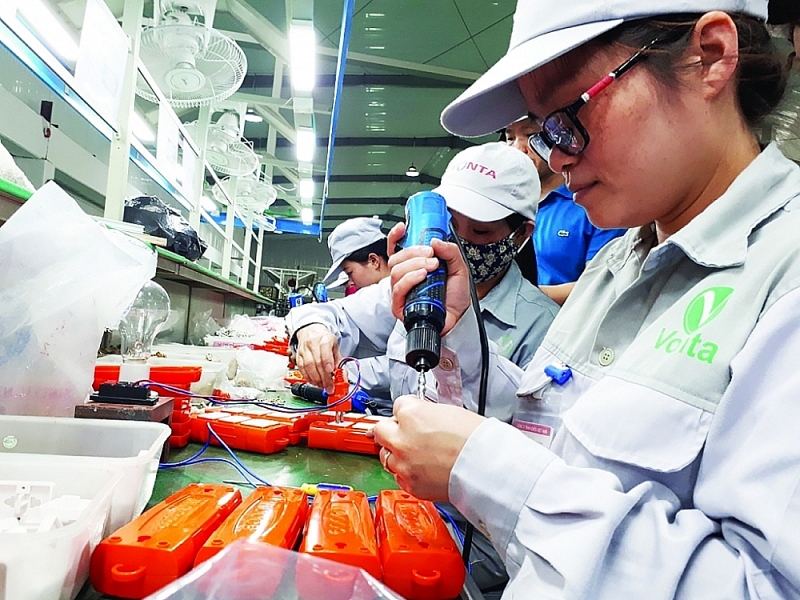
The processing and manufacturing industry has an important role in the overall growth of the economy, but its development still faces many "bottlenecks". In order to increase the added value of this industry, the Ministry of Industry and Trade is planning to build a separate law on industry and at the same time form the leading enterprises in the processing and manufacturing industry.

The Vietnam-UK Free Trade Agreement (UKVFTA) has just been signed and ended the negotiations, and is expected to take effect in early 2021. This FTA is setto open up many opportunities to promote exports for a seriesVietnam’s billion-dollar export product to the UK market are rich in potential.
| The site is done with the technical support of the project BWTO |